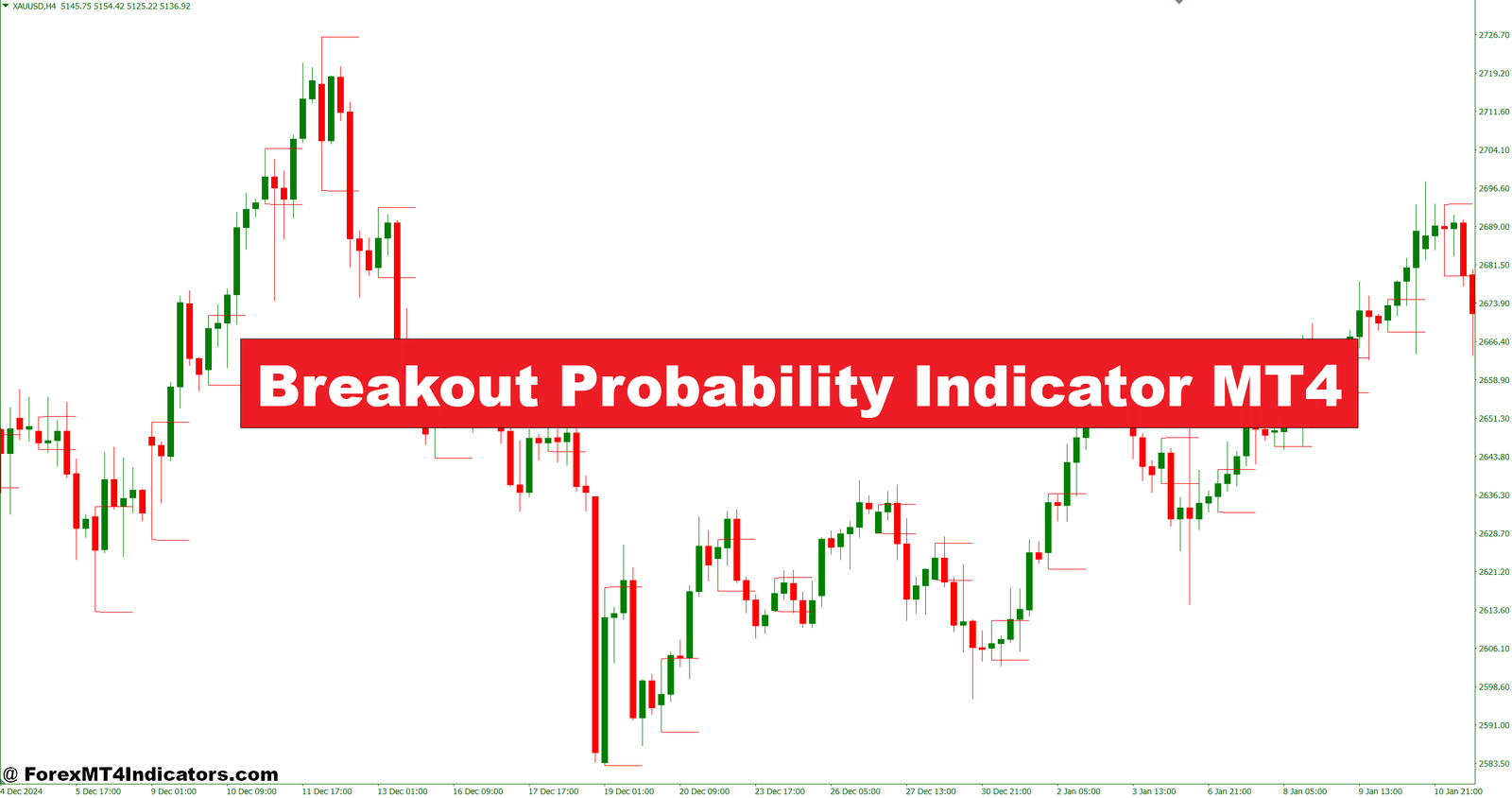
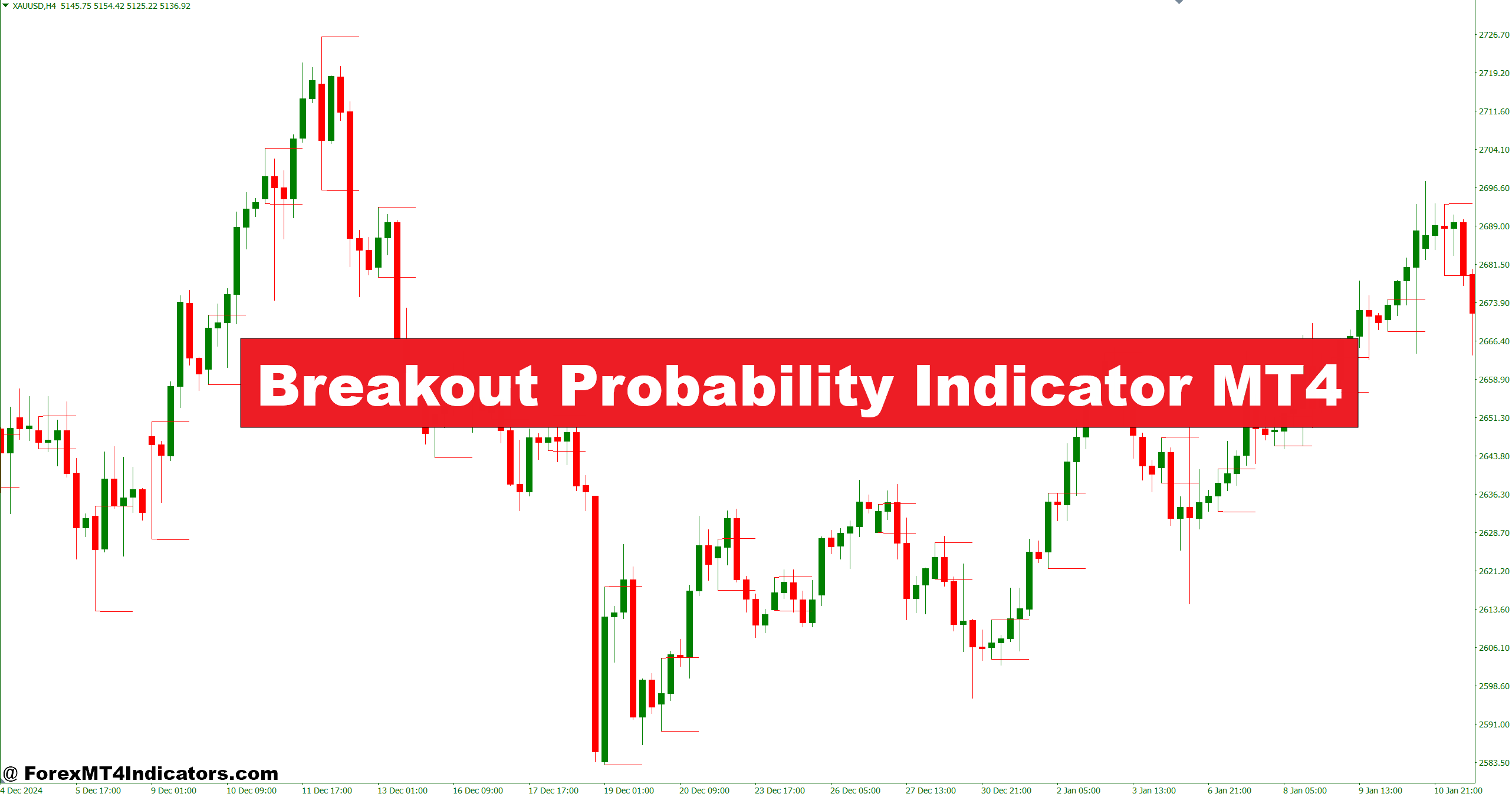
The Breakout Probability Indicator MT4 was built to solve exactly that problem. Instead of reacting to every candle that pushes past a level, traders can now see a probability score attached to the move before they commit capital. That one shift in approach changes how entries feel — less impulsive, more calculated. This guide breaks down how the indicator works, how to apply it in real conditions, and where it falls short.
What the Breakout Probability Indicator Actually Does
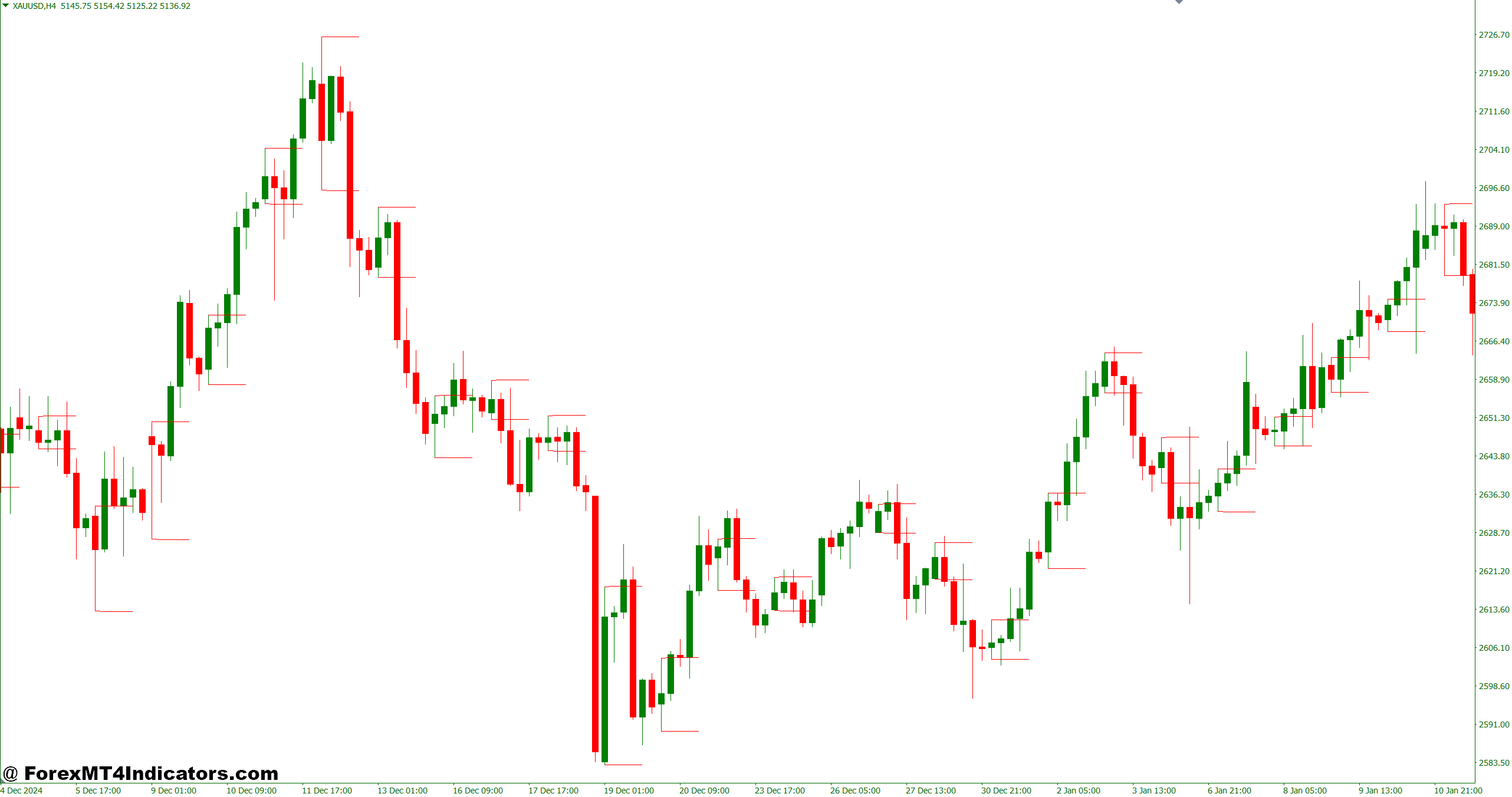
At its core, this tool assigns a percentage score to potential breakouts based on historical price behavior around key levels. It scans recent market structure — swing highs, swing lows, consolidation zones — and compares current momentum against past similar setups.
Think of it this way: if price has tested a resistance level four times in the last 50 bars and failed each time, the indicator weighs that pattern. Combined with volume data and volatility metrics like ATR, it estimates how likely the current push is to hold above or below that level. The result appears directly on the MT4 chart, usually as a numerical score between 0 and 100.
A reading above 70 suggests the breakout has stronger historical backing. Below 40, traders often treat the move with skepticism.
How the Calculation Works
The indicator pulls from several inputs simultaneously. First, it measures ATR over a user-defined period (default is typically 14) to gauge current volatility relative to the recent average. A breakout on a low-volatility day carries different weight than one on a high-volume NFP release.
Second, it maps price action density — essentially how much time price spent near the breakout zone. Zones with heavy consolidation before the break tend to score higher, since those levels carry more significance.
Third, some versions incorporate a momentum filter using rate-of-change calculations over the last 5 to 10 bars. If price accelerates strongly through the level rather than grinding through it, the probability score adjusts upward.
The math behind it isn’t black-box magic. It’s weighted scoring based on factors experienced breakout traders already assess manually — the indicator just does it faster and without emotion.
Applying It in Real Trades
Here’s a practical example. On the EUR/USD 1-hour chart during the London session open in late 2023, price had been ranging between 1.0820 and 1.0870 for roughly six hours. When it pushed above 1.0870 around 8:30 AM GMT, the Breakout Probability Indicator showed a score of 74.
That reading reflected the tight consolidation range, above-average ATR for the session, and momentum acceleration on the breakout candle. A trader using a 1:2 risk-reward with a stop just below the broken level would have caught a 40-pip move before pullback.
Compare that to a similar-looking breakout on GBP/JPY the same week on the 15-minute chart. Price pushed above resistance, but the indicator scored only 38 — flagging low relative volume and choppy price structure beforehand. That move failed within three candles.
That contrast is where this tool earns its keep. Not every break deserves a position.
Breakout Probability Indicator MT4 Settings and Customization
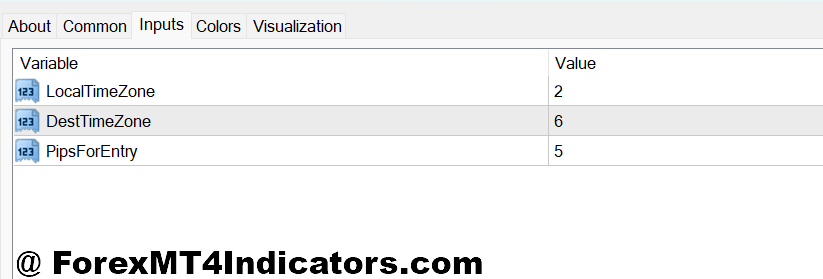
The default settings work reasonably well on the 1-hour and 4-hour charts for major pairs like EUR/USD, GBP/USD, and USD/JPY. But traders running it on exotic pairs or shorter timeframes will want to adjust.
For the 15-minute chart, tightening the ATR period from 14 to 8 reduces lag and makes the indicator more responsive to fast-moving price. On higher timeframes like the daily chart, extending it to 20 smooths out the noise.
There’s also a sensitivity threshold setting that controls when the indicator highlights a potential breakout zone. Setting it too low generates too many signals — the chart fills with flags on every small push. Setting it between 60 and 65 as a minimum threshold keeps the signal cleaner and filters out low-quality setups.
Traders on volatile sessions — during FOMC statements or major CPI releases — often temporarily bump the threshold to 75 or higher. The market behaves differently during macro events, and what looks like a high-probability breakout can be a liquidity grab before reversal.
Strengths and Weaknesses
The biggest advantage here is speed. Manual breakout analysis takes time — marking zones, checking volume, estimating momentum. The indicator compresses that into a single number without requiring the trader to do all the legwork each time.
It also reduces emotional trading. When traders see a 55% score, they’re less likely to chase. That discipline alone saves accounts over time.
That said, the indicator isn’t without problems. It’s backward-looking by design, which means in genuinely new market conditions — thin holiday sessions, flash crashes, major geopolitical events — the historical probability weighting loses its relevance fast.
It also doesn’t replace understanding of market structure. A trader who doesn’t know why a level matters won’t know whether to trust a 72% score or ignore it. The number is a filter, not a strategy.
And like most MT4 indicators, it repaints in some configurations when looking left for historical breakout data. Traders should always verify settings to ensure they’re seeing confirmed signals, not retroactively adjusted ones.
How to Trade with Breakout Probability Indicator MT4
Buy Entry

- Score above 70 on 1-hour chart – Only consider long entries when the probability score clears 70; anything below that on EUR/USD tends to produce more fakeouts than follow-through.
- Breakout candle closes fully above resistance – Don’t enter mid-candle; wait for the close to confirm the level is broken, not just tested.
- ATR expanding at breakout point – Confirm volatility is rising when price breaks out, not contracting — low ATR breakouts on GBP/USD 4-hour chart fail frequently.
- Set stop-loss 5-10 pips below broken resistance – Once resistance flips to support, that’s your invalidation zone; price reclaiming it means the breakout failed.
- Target 1.5x to 2x the consolidation range – Measure the range before the breakout and project it forward as your take-profit level.
- Avoid BUY signals during Asian session on JPY pairs – Low liquidity inflates scores artificially; stick to London and New York session breakouts.
- Skip if news event is within 30 minutes – A 75+ score means nothing when CPI or NFP is about to print; probability models don’t price macro shocks.
- Confirm with trend direction on daily chart – Buying a breakout against a strong daily downtrend cuts success rate significantly, even with a high score.
Sell Entry

- Score above 70 with price breaking below support – Same threshold applies for shorts; a reading under 65 on GBP/USD 1-hour during a support break usually whipsaws back fast.
- Breakout candle closes fully below support – Wait for candle close before entering short; premature entries below support get stopped out on wicks constantly.
- Volume or momentum accelerating downward – If the rate-of-change reading drops sharply on the breakout candle, that confirms sellers are committed, not just testing the level.
- Place stop-loss 5-8 pips above broken support – Broken support now acts as resistance; if price gets back above it, the sell setup is dead.
- Target next major support zone, minimum 1:2 risk-reward – Don’t take a sell signal without a clear level to target; guessing exits on EUR/USD 4-hour leads to early exits on good moves.
- Avoid SELL signals scoring below 50 in choppy conditions – Ranging markets generate frequent low-quality sell signals; if price has been chopping for 10+ bars, skip it.
- Don’t short breakdowns on strong bullish daily trends – Counter-trend shorts require higher conviction; demand a score of 80+ before fading a dominant uptrend.
- Exit or reduce size if price stalls for 3+ candles post-breakout – A valid breakdown moves quickly; hesitation after the break often signals a false move, especially on GBP/JPY 15-minute setups.
How It Compares to Standard Tools
The standard approach most traders use is combining Bollinger Bands with volume indicators like OBV or MFI. That works, but it requires interpreting multiple signals simultaneously and drawing conclusions manually.
The Breakout Probability Indicator compresses that process. Where a Bollinger Band squeeze tells traders volatility is contracting and a breakout may come, this indicator goes further — it attempts to score how likely that breakout is to follow through.
It’s not designed to replace RSI, MACD, or price action analysis. Used alongside a 20-period moving average for trend direction and basic support/resistance identification, the probability score becomes a confirmation layer rather than a standalone signal.
Recommended MT4/MT5 Broker
XM Broker
- Free $50 To Start Trading Instantly! (Withdraw-able Profit)
- Deposit Bonus up to $5,000
- Unlimited Loyalty Program
- Award Winning Forex Broker
- Additional Exclusive Bonuses Throughout The Year
- Exclusive 90% VIP Cash Rebates for all Trades!

Already an XM client but missing out on cashback? Open New Real Account and Enter this Partner Code: VIP90