


onurdongel/iStock via Getty Images
More than half of the 54.5 GW of new utility-scale electric generating capacity projected to be added to the U.S. grid in 2023 will be powered by solar energy, the U.S. Energy Information Administration said Monday.
Additions of solar capacity fell 23% in 2022 from the previous year due to supply chain disruptions and other challenges related to the COVID-19 pandemic, but the EIA expects some projects delayed in 2022 will begin operating in 2023, when developers plan to install 29.1 GW of solar power in the U.S.
If all planned capacity actually comes online, the new utility-scale solar capacity added in 2023 would be the most in a single year, more than doubling the record of 13.4 GW in 2021, the EIA also said.
Most of the new solar capacity will be in Texas, where 7.7 GW is expected to come online, followed by California with 4.2 GW, with the two states combining to account for 41% of planned new solar capacity this year, according to the EIA.
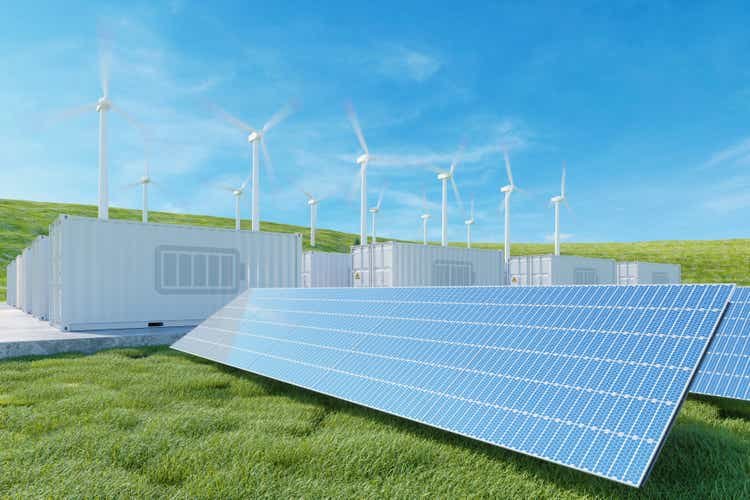
Developers also are forecast to add 9.4 GW of battery storage in 2023 to the existing 8.8 GW of battery storage capacity in the U.S. and expect to add 6.0 GW of wind capacity.
ETFs: (NYSEARCA:TAN), (FAN), (NASDAQ:ICLN), (NASDAQ:QCLN), (PBW), (PBD), (ACES), (CNRG), (SMOG), (ERTH)
According to a quarterly index by LevelTen Energy, U.S. solar energy contract prices have soared by a third over the past year as project developers have struggled to get imported panels.
