


- Goldman cuts Q2 oil to $90/$87, keeps $82/$80 Brent and $77/$75 WTI outlook
- Australia to underwrite fuel imports via Ampol, Viva amid supply risks
- Perth Mint gold, silver sales drop sharply in March after price slide
- Ceasefire may reduce case for Fed cuts as inflation risks persist: Timiraos
- AUD seen capped near 0.7150 as Hormuz uncertainty clouds outlook: Westpac
- PBOC sets USD/ CNY mid-point today at 6.8649 (vs. estimate at 6.8315)
- Trump blasts NATO after Rutte meeting, raises doubts over alliance unity
- RBNZ says prior cuts still support growth, sees upside if conflict eases
- No oil or gas tankers have traversed the Hormuz strait since the cease-fire
- US oil industry warns Hormuz toll plan could add $2.5mn per shipment
- Iran’s IRGC navy issues map to guide ships around Hormuz mines
- ING turns bullish on Chinese yuan, shifts USD/CNY forecast lower to 6.70–7.05
- Goldman Sachs: Oil shocks lift rates short term but lead to cuts as growth slows
- RBNZ sees 2026 growth if ceasefire holds, flags inflation still above target
- BoJ seen hiking this month as inflation risks rise, former official says
- Oil price plunge? Nah. Oil buyers pay $150+ as physical crude tightness defies ceasefire
- investingLive Americas FX news wrap 8 Apr:Ceasefire relief lifts stocks, oil and USD lower
- Macron backs Iran-US ceasefire, flags Hormuz and nuclear risks for lasting deal
- Trump eco adviser Hassett (remember him?) admits oil price spike will raise inflation
In brief:
- Ceasefire credibility questioned as violations emerge, weekend talk schedule looking tenouous
- Israel-Hezbollah conflict continues alongside Iran tensions
- Iran accuses US/Israel of breaching agreement terms
- Strait of Hormuz effectively remains closed to tankers
- Only four vessels crossed post-ceasefire, none oil/gas
- IRGC issues alternative routes due to sea mine risks
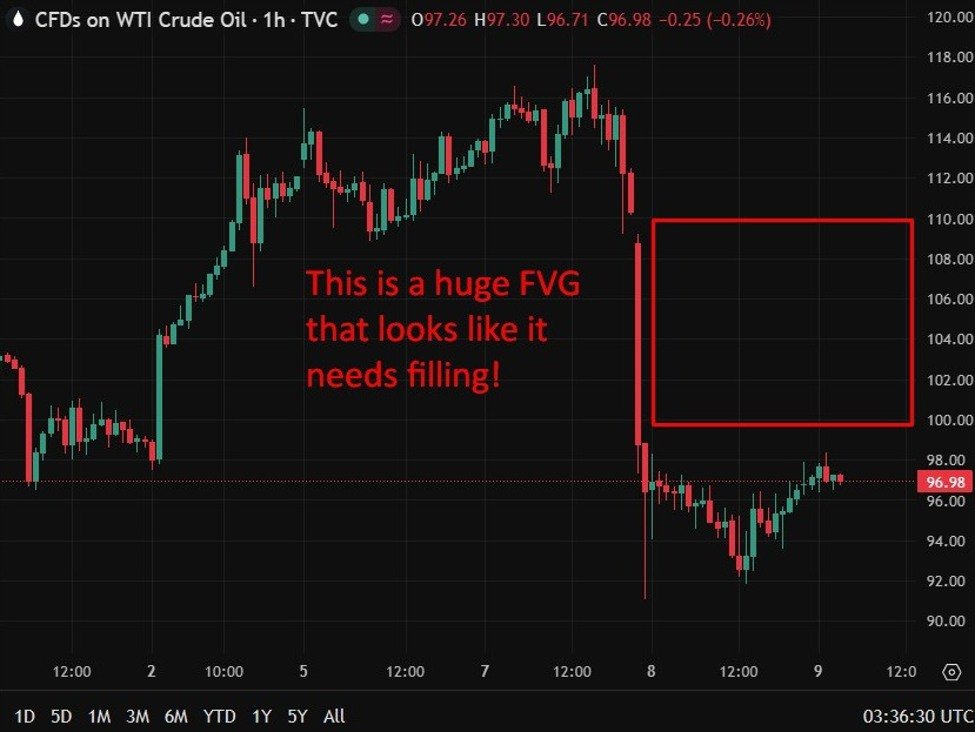
- Oil edges higher as supply concerns persist
- USD rebounds modestly; FX risk tone cautious
- Equities softer but holding recent gains
Skepticism around the ceasefire agreement remains high, leaving markets cautious as signs of fragility continue to emerge. The deal appears to be under strain, with Israel maintaining its parallel conflict against Iran-aligned Hezbollah in Lebanon, while Tehran has accused both Israel and the United States of violating the agreement, warning that further negotiations would be “unreasonable” under current conditions.
Lebanon has become a key flashpoint, with Iran’s Parliament Speaker Ghalibaf stating that three clauses of the proposed 10-point framework have already been breached, further undermining confidence in a durable ceasefire.
At the same time, the Strait of Hormuz remains effectively closed to most commercial traffic. Only four vessels have reportedly transited since the ceasefire began, none of them oil or gas tankers, with no confirmed crossings since the IRGC declared the waterway shut amid alleged violations. Shipping activity remains severely constrained, reinforcing concerns that energy flows have yet to normalise.
There was a modestly constructive development, however, with Iran’s Islamic Revolutionary Guard Corps issuing guidance on alternative transit routes through the Strait, aimed at navigating around sea mines deployed during the conflict. While this offers a potential pathway to restoring limited flows, it does little to alleviate broader uncertainty or insurance concerns in the near term.
Across markets, the tone reflected this cautious backdrop. The USD regained some lost ground, with USD/JPY pushing back toward 159.00 before settling near 158.80, while EUR/USD slipped below 1.1660. Gold traded largely sideways, and oil edged higher but remained rangebound. Regional equities were modestly softer but held onto much of their recent gains.
