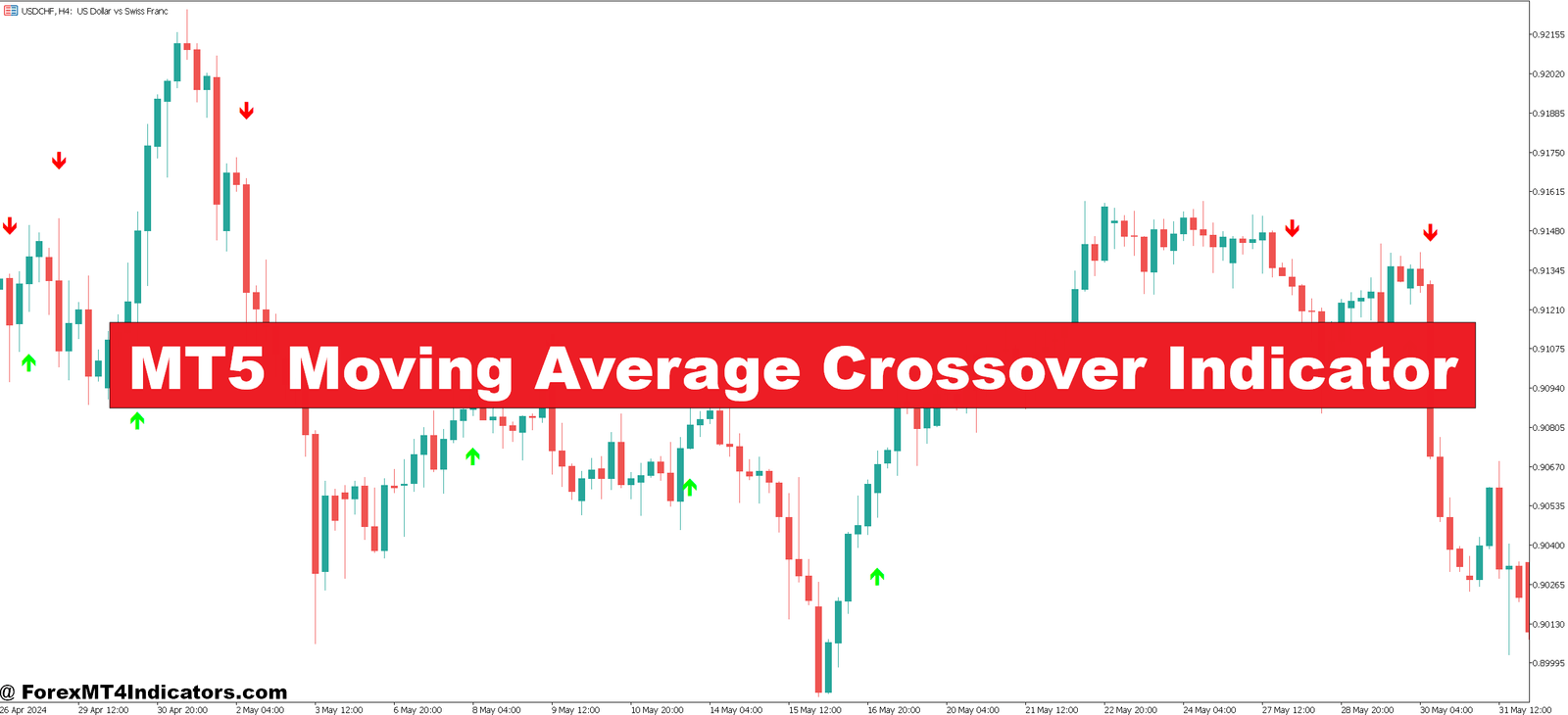
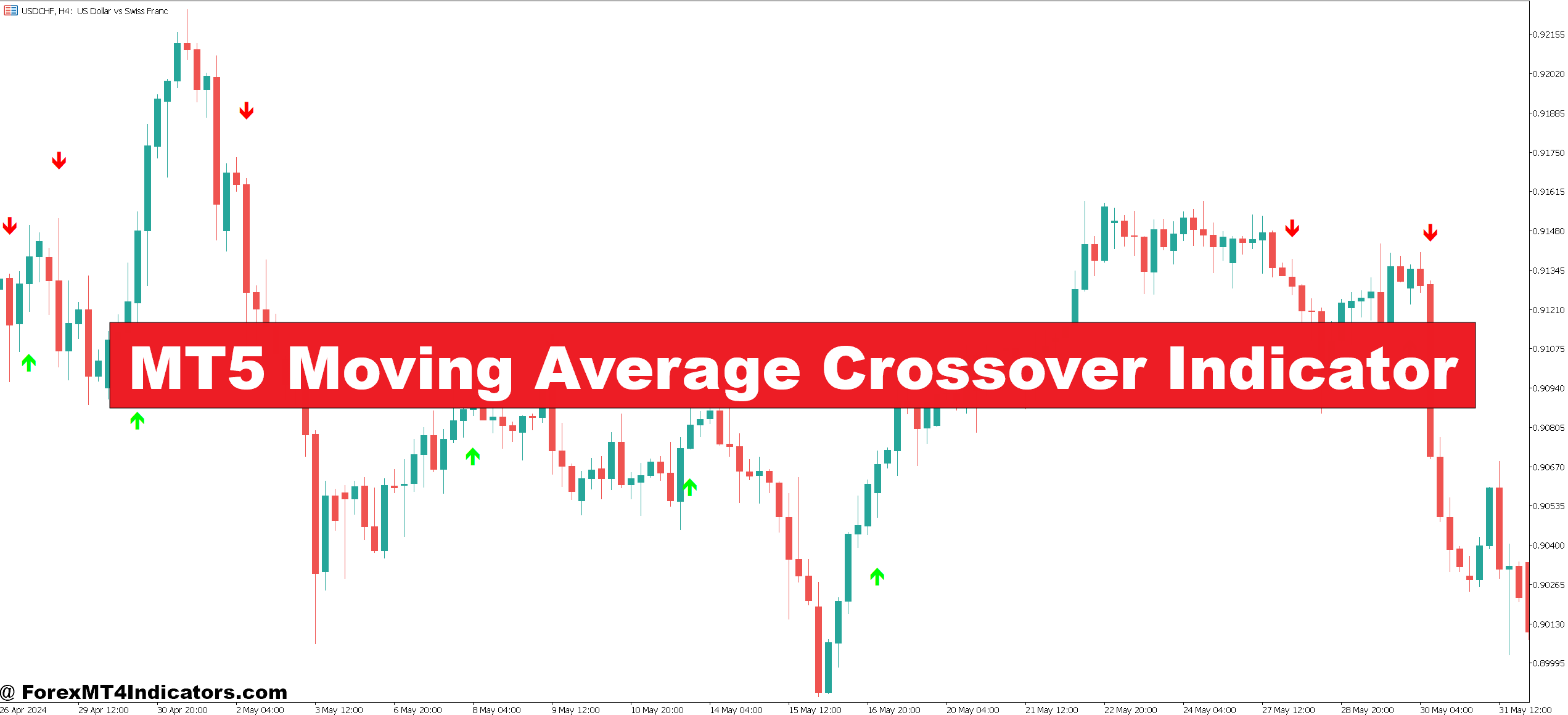
The MT5 moving average crossover indicator cuts through this noise. It’s not magic, but it provides objective entry and exit signals based on price momentum shifts. When a faster moving average crosses above or below a slower one, you get a visual cue that trend direction might be changing. That simple crossover event has helped traders identify trends for decades, and MT5’s built-in tools make it accessible to anyone.
Let’s break down how this indicator actually works and where it fits in your trading arsenal.
What Makes the Moving Average Crossover Work
At its core, the moving average crossover uses two exponential or simple moving averages with different periods. The common setup pairs a 9-period EMA (fast) with a 21-period EMA (slow), though traders adjust these based on their style.
When the fast MA crosses above the slow MA, that’s a bullish signal. Price is accelerating upward faster than its recent average. The reverse crossover—fast dropping below slow—signals bearish momentum. The indicator doesn’t predict the future. It confirms what’s already happening with price action.
Here’s what separates this from other trend tools: crossovers show you momentum shifts in real-time. While a single moving average tells you if price is above or below average, the crossover reveals when that relationship is changing. That timing element matters when you’re trying to catch the early stages of a trend rather than jumping in halfway through.
How Traders Actually Use This Thing
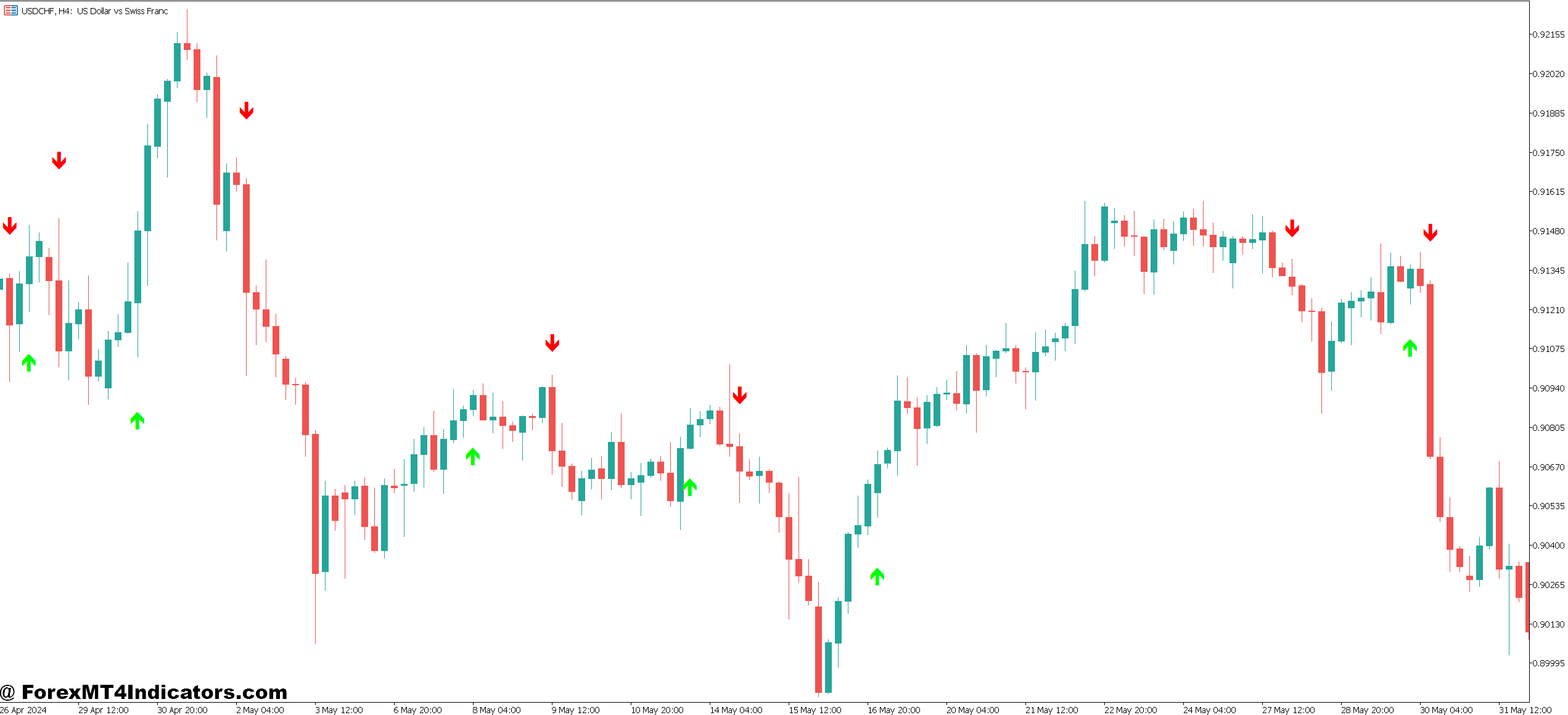
The textbook approach sounds simple. Wait for the crossover, enter the trade, ride the trend. Reality gets messier.
On GBP/JPY’s 1-hour chart during the Asian session, you might see three crossovers in a tight range before the real move happens. Each false signal chips away at your account if you’re taking every setup blindly. Smart traders filter these signals.
One filtering method combines the crossover with the 200-period MA. Take bullish crossovers only when price trades above the 200 MA. This keeps you aligned with the larger trend and eliminates counter-trend trades that usually fail. A trader testing this on EUR/USD during trending months might see their win rate jump from 45% to 58% just by adding that one filter.
Another practical twist: use the crossover on higher timeframes for direction, then drop to lower timeframes for entry. Spot a bullish cross on the daily chart, then wait for a pullback entry on the 4-hour chart. This reduces whipsaw losses from choppy consolidation periods.
Position sizing matters too. When crossovers align across multiple timeframes—say the 4-hour, daily, and weekly all show bullish crosses—that’s when experienced traders size up. Conflicting signals across timeframes? They’ll pass or trade smaller.
Customizing Settings for Different Market Conditions
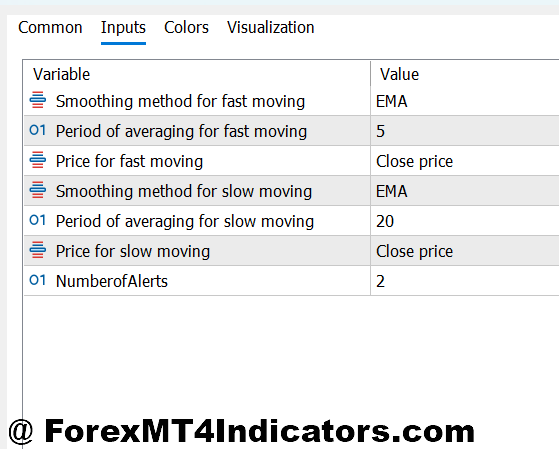
The default 9/21 setup works fine for trending markets, but it’s not universal. Range-bound pairs will tear you apart with false signals using tight periods.
For volatile pairs like GBP/NZD or emerging market currencies, widening the periods to 20/50 smooths out the noise. You’ll get fewer signals, but the ones you get tend to be more reliable. The tradeoff is late entries—you sacrifice the first chunk of the move for better accuracy.
Scalpers flip this logic. A 5/10 crossover on the 5-minute chart generates rapid signals for quick in-and-out trades. The catch? You’re fighting spread costs on every trade, and two losing trades can wipe out three winners if you’re not disciplined with stops.
Currency pairs with distinct trending characteristics need their own approach. USD/JPY often trends smoothly for weeks. A 12/26 crossover captures these moves without overreacting to normal pullbacks. Meanwhile, EUR/GBP tends to range more. For that pair, you might skip crossovers entirely during low-volatility periods and only trade them when ATR expands above historical averages.
Where This Indicator Falls Short

Let’s get real about limitations. Moving average crossovers are lagging indicators. By definition, they confirm trends that have already started. You’ll never catch the exact bottom or top.
Ranging markets destroy crossover strategies. When EUR/USD trades in a 50-pip range for three weeks, you’ll see crossover after crossover that leads nowhere. Each signal gets you stopped out before the next reversal hits. Traders who ignore market context blow up accounts this way.
The indicator also doesn’t tell you anything about support, resistance, or market structure. A bullish crossover might fire right into weekly resistance where sellers are waiting. Without checking the higher timeframe chart, you’re trading blind.
Then there’s the execution problem. By the time the crossover confirms—meaning the candle closes with the fast MA above the slow MA—price has already moved. On the 1-hour chart, that could mean missing 20-30 pips of the initial impulse. Some traders enter on the crossover candle itself, but that introduces risk if the candle closes back below and the signal fails.
Comparing This to Other Trend Tools
The MACD histogram shows similar crossover signals but adds momentum visualization. When MACD crosses its signal line, it’s essentially a moving average crossover happening underneath the chart. The advantage? You can see momentum weakening before the actual cross happens, giving you advance warning.
RSI divergence catches trend exhaustion that moving averages miss completely. Price makes a new high while RSI makes a lower high—classic bearish divergence. The MA crossover won’t show that shift until several candles later.
But here’s where the simple MA crossover shines: clarity. There’s no interpretation needed. Either the lines crossed or they didn’t. MACD requires you to judge histogram slope. RSI needs you to spot divergence patterns. When you’re managing multiple positions across different pairs, that simplicity keeps decision-making clean.
Bollinger Bands identify volatility expansion, which often precedes trend moves. A crossover combined with price breaking the upper or lower band creates a stronger setup than either signal alone. The bands tell you when market conditions favor trending, the crossover tells you which direction.
How to Trade with MT5 Moving Average Crossover Indicator
Buy Entry

- Fast MA crosses above slow MA – Enter long when the 9 EMA crosses above the 21 EMA on the 4-hour chart, but only if price is already above the 200 MA to confirm uptrend direction.
- Wait for candle close confirmation – Don’t jump in mid-candle; wait for the crossover candle to close completely to avoid false signals that reverse before the hour ends.
- Check higher timeframe alignment – Verify the daily chart shows bullish structure before taking 1-hour crossover signals on EUR/USD to filter out counter-trend traps.
- Enter on the pullback – After the crossover fires, wait for price to retrace 30-40% of the initial impulse move, then enter when it bounces off the fast MA for better risk-reward.
- Volume confirmation adds strength – Look for increasing volume on MT5’s volume indicator during the crossover candle, especially on GBP/USD during London session open.
- Avoid ranging conditions – Skip the signal if ATR on the daily chart is below its 14-period average, indicating low volatility that produces whipsaws and false breaks.
- Set stop-loss below recent swing low – Place your stop 10-15 pips below the swing low formed just before the crossover, typically 25-40 pips on EUR/USD 4-hour charts.
- Scale out at resistance levels – Take partial profits (50% position) when price reaches previous daily highs or psychological levels like 1.1000, letting the rest ride with a trailing stop.
Sell Entry

- Fast MA crosses below slow MA – Enter short when the 9 EMA drops below the 21 EMA, but confirm price is trading below the 200 MA to avoid selling into strong uptrends.
- Require clean break and close – The crossover candle must close at least 5 pips below the slow MA to confirm momentum shift, not just touch and bounce back.
- Skip Friday afternoon signals – Avoid SELL crossovers after 12 PM EST on Fridays when liquidity dries up and weekend gaps can reverse your position unexpectedly.
- Combine with bearish candlestick patterns – Look for engulfing candles or shooting stars on the crossover candle itself for stronger conviction on GBP/USD 1-hour entries.
- Use RSI divergence filter – Only take the sell signal if RSI shows bearish divergence (price higher high, RSI lower high) within the previous 10-15 candles.
- Position size smaller in choppy markets – Cut your normal lot size by 50% if the past 20 candles show overlapping wicks and small bodies, signaling indecision.
- Place stop above consolidation zone – Set stops 10 pips above the recent consolidation high, not just above the crossover candle, to give the trade room through normal noise.
- Avoid major news releases – Don’t take crossover signals within 30 minutes before NFP, FOMC, or central bank announcements when price action becomes unpredictable and spreads widen.
Putting It All Together
The MT5 moving average crossover indicator works best as part of a complete system, not as a standalone solution. It confirms momentum shifts but needs context from price action, market structure, and volatility conditions.
Traders who succeed with crossovers typically combine them with at least two other elements: trend filters on higher timeframes and volatility analysis to avoid ranging markets. They adjust periods based on the pair they’re trading and current market conditions. Most importantly, they accept that losing trades are part of the equation and manage risk accordingly.
Trading forex carries substantial risk. No indicator guarantees profits, and past performance of any strategy doesn’t predict future results. The crossover indicator provides objective signals, but success depends on how you apply those signals within a tested framework.
Start by paper trading the setup for at least 50 trades before risking real capital. Track not just wins and losses, but market conditions when signals worked versus when they failed. That data tells you when to trade aggressively and when to step aside—knowledge that separates profitable traders from everyone else grinding through another losing month.
Recommended MT4/MT5 Broker
XM Broker
- Free $50 To Start Trading Instantly! (Withdraw-able Profit)
- Deposit Bonus up to $5,000
- Unlimited Loyalty Program
- Award Winning Forex Broker
- Additional Exclusive Bonuses Throughout The Year
- Exclusive 90% VIP Cash Rebates for all Trades!

Already an XM client but missing out on cashback? Open New Real Account and Enter this Partner Code: VIP90