


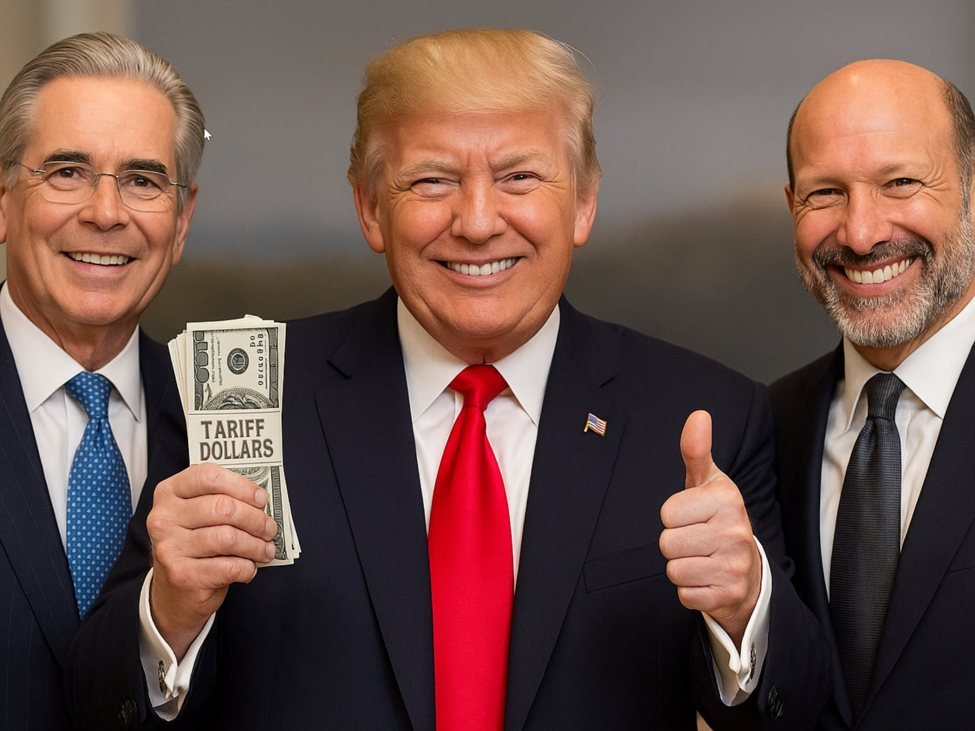
Suspiciously timed trades and prediction market gains during the Iran conflict have sparked ethics concerns, prompting a White House warning and calls for tighter regulation.
The Wall Street Journal (gated) carries the report.
Summary:
- White House warned staff against betting on markets amid Iran war developments
- Warning followed suspiciously timed surge in oil futures trading before policy shift
- Prediction markets also saw large profits from well-timed ceasefire bets
- No evidence of insider trading, but optics and ethics concerns are rising
- Critics argue markets risk turning war into a “casino” for privileged information
- Lawmakers push for tighter regulation or outright bans on war-related betting
- Episode underscores growing intersection of geopolitics, markets, and ethics risks
Fresh scrutiny is emerging over the intersection of geopolitics, financial markets, and ethics after U.S. officials moved to warn White House staff against engaging in betting activity tied to the Iran conflict.
The warning, issued internally shortly after President Donald Trump’s unexpected decision to pause strikes on Iran, reflects mounting concern over the potential misuse of sensitive information. The timing is notable. Just minutes before the policy shift was made public, a surge of activity hit oil futures markets, with hundreds of millions of dollars’ worth of contracts changing hands in a very short window. The scale and precision of the trades have raised eyebrows across both political and market circles.
At the same time, crypto-based prediction platforms have come under the spotlight. A handful of accounts reportedly generated substantial profits by correctly anticipating the timing of a ceasefire announcement. While there is no evidence that anyone within government acted on non-public information, the coincidence has intensified debate around transparency and fairness.
The White House has pushed back firmly on any suggestion of wrongdoing, emphasising that existing rules already prohibit the use of confidential government information for personal gain. Officials characterised the internal message as a routine reminder of ethical obligations rather than a response to confirmed misconduct.
However, the broader issue extends beyond any single incident. The rapid growth of prediction markets, many of which allow anonymous participation, has introduced a new channel through which geopolitical developments can be monetised. In an environment where policy decisions can move global markets instantly, even the perception of informational advantage carries significant reputational risk.
Critics argue that the current regulatory framework has not kept pace with this evolving landscape. Concerns centre on the possibility that individuals with privileged access, whether in government or adjacent networks, could exploit these platforms with limited traceability. Some lawmakers are now advocating stricter oversight, including proposals to ban betting on military or national security events altogether.
The episode highlights a deeper ethical tension: as financial markets become increasingly intertwined with real-time geopolitical events, the line between information, speculation, and potential exploitation grows more blurred. Even absent concrete evidence of wrongdoing, the optics alone risk undermining trust in both markets and institutions.
