Thursday, March 26


The data from Australia today was for:

ANZ on the retail sales data:

  • Australia’s retail sales jumped 1.4% m/m in Nov, and Oct was revised up from -0.2% to +0.4%.
  • A strong result, but weaker than growth in Nov 2020 (+6.1% m/m) & 2021 (+6.4% m/m).
  • Signal also includes the “noise” that retail was likely a higher % of Nov spend.

I don’t think a comparison with November ’20 and ’21 is valid given both of those months saw a surge in spending on exit from lockdowns (yes, lockdowns went on and on in Australia).

ANZ on the jobs data:

  • Job vacancies stayed very strong at 444,200 in November

Despite falling on the quarter they did remain historically high, yes.

ANZ on the CPI:

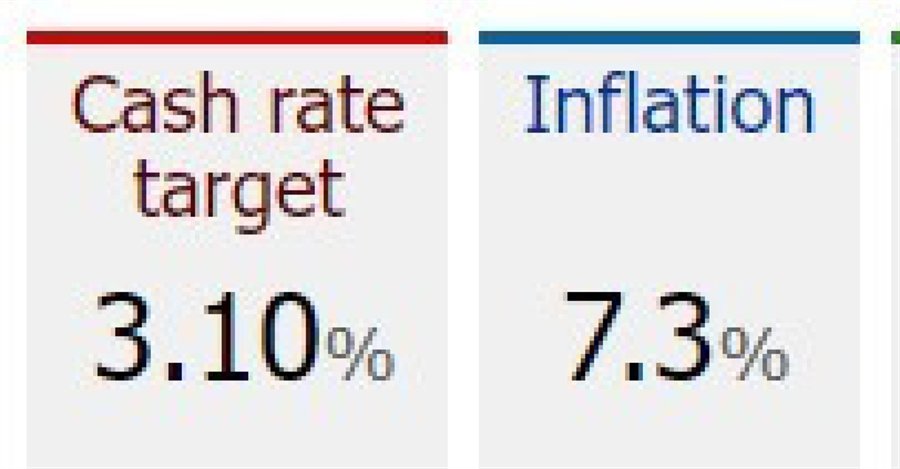
  • Monthly CPI rose to 7.3% y/y ahead of electricity impacts. These results reduce any risk of a Feb pause for the RBA and reinforce our view that the peak cash rate will be at least 3.85%.

Yes to this as well. I am expecting a +25bp rate hike from the RBA at the February 7 meeting. If you disagree with me I will concede that:

  • the monthly numbers only include updated prices for between 62 and 73 per cent of the weight of the quarterly CPI basket; thus they incomplete and its rightly so that the quarterly CPI that is the most focus
  • the December monthly and Q4 quarterly CPI will be published prior to the February meeting

But, I’ve been a consistent anti-pauser in February and today’s data does not change my mind.

As I’ve said before, something is wrong with this picture. Its not tenable that inflation
Inflation

Inflation is defined as a quantitative measure of the rate in which the average price level of goods and services in an economy or country increases over a period of time. It is the rise in the general level of prices where a given currency effectively buys less than it did in prior periods.In terms of assessing the strength or currencies, and by extension foreign exchange, inflation or measures of it are extremely influential. Inflation stems from the overall creation of money. This money is measured by the level of the total money supply of a specific currency, for example the US dollar, which is constantly increasing. However, an increase in the money supply does not necessarily mean that there is inflation. What leads to inflation is a faster increase in the money supply in relation to the wealth produced (measured with GDP). As such, this generates pressure of demand on a supply that does not increase at the same rate. The consumer price index then increases, generating inflation.How Does Inflation Affect Forex?The level of inflation has a direct impact on the exchange rate between two currencies on several levels.This includes purchasing power parity, which attempts to compare different purchasing powers of each country according to the general price level. In doing so, this makes it possible to determine the country with the most expensive cost of living.The currency with the higher inflation rate consequently loses value and depreciates, while the currency with the lower inflation rate appreciates on the forex market.Interest rates are also impacted. Inflation rates that are too high push interest rates up, which has the effect of depreciating the currency on foreign exchange. Conversely, inflation that is too low (or deflation) pushes interest rates down, which has the effect of appreciating the currency on the forex market.

Inflation is defined as a quantitative measure of the rate in which the average price level of goods and services in an economy or country increases over a period of time. It is the rise in the general level of prices where a given currency effectively buys less than it did in prior periods.In terms of assessing the strength or currencies, and by extension foreign exchange, inflation or measures of it are extremely influential. Inflation stems from the overall creation of money. This money is measured by the level of the total money supply of a specific currency, for example the US dollar, which is constantly increasing. However, an increase in the money supply does not necessarily mean that there is inflation. What leads to inflation is a faster increase in the money supply in relation to the wealth produced (measured with GDP). As such, this generates pressure of demand on a supply that does not increase at the same rate. The consumer price index then increases, generating inflation.How Does Inflation Affect Forex?The level of inflation has a direct impact on the exchange rate between two currencies on several levels.This includes purchasing power parity, which attempts to compare different purchasing powers of each country according to the general price level. In doing so, this makes it possible to determine the country with the most expensive cost of living.The currency with the higher inflation rate consequently loses value and depreciates, while the currency with the lower inflation rate appreciates on the forex market.Interest rates are also impacted. Inflation rates that are too high push interest rates up, which has the effect of depreciating the currency on foreign exchange. Conversely, inflation that is too low (or deflation) pushes interest rates down, which has the effect of appreciating the currency on the forex market.
Read this Term
is >7% and the RBA cash rate is 3.1%.


Source link

Share.
FX

Leave A Reply