


A successful procedural vote would not pass the Clarity Act, but it would signal that a bipartisan path exists for the first comprehensive federal framework governing digital asset market structure, a prospect crypto markets have watched for over a year. Continued Democratic resistance, particularly over provisions touching President Trump’s family crypto ventures, would instead point to a longer and more uncertain legislative road, extending the regulatory ambiguity that has weighed on institutional participation in US digital asset markets. Gillibrand’s involvement matters because she has previously helped broker crypto-friendly compromises in the Senate, and her ability to bring other Democrats along could determine whether the bill clears its first procedural hurdle this week.
—
Earlier:
—
Gillibrand is quietly lobbying her party to open debate on a crypto bill that has split Democrats over how tough it should be on the industry and on Trump’s own crypto interests.
Summary:
- Sen. Kirsten Gillibrand is privately urging Democrats to vote to advance the Clarity Act on Tuesday, a procedural motion rather than a final passage vote, according to Politico.
- Senate Republicans would still need 60 votes at a later stage to pass the bill.
- About a dozen Democrats have signaled openness to the bill and are reviewing new text Republicans released late Sunday that alters sections Democrats sought changes to.
- Sen. Elizabeth Warren is leading Democratic opposition, arguing the bill favors the crypto industry and is too soft on President Trump’s family crypto businesses.
- An aide said Gillibrand still wants strong consumer protections and believes a sitting president shouldn’t profit from an industry he oversees.
- Gillibrand, who chairs the Senate Democrats’ campaign arm, has faced criticism from progressives before over her stance toward crypto.
Sen. Kirsten Gillibrand is privately pressing fellow Democrats to vote in favor of advancing a major cryptocurrency bill the Senate is set to take up on Tuesday, according to Politico, which cited three people familiar with the closed door discussions who were granted anonymity. The New York Democrat, one of her party’s most consistent crypto advocates, has been making the case in private meetings that colleagues should support the procedural motion, a step that would allow debate to begin rather than a vote on final passage.
That distinction matters. A yes vote on Tuesday would only open the door to debate on the measure, known as the Clarity Act, and Senate Republicans would still need 60 votes at a later stage to actually pass it. Roughly a dozen Democrats have signaled some openness to supporting the bill and are weighing new text Senate Republicans released late Sunday, which alters sections Democrats had pushed to change. Whether those revisions go far enough to secure their votes remains unresolved.
Gillibrand’s position sets her apart from a wing of her party that views the legislation as tilted toward the industry it would regulate. Sen. Elizabeth Warren of Massachusetts is leading opposition among Democrats who argue the bill amounts to a win for crypto companies that have lobbied for years for friendlier rules, and who say it does not go far enough in addressing President Donald Trump’s family crypto ventures.
An aide to Gillibrand said she continues to believe Congress needs strong consumer protections and that a sitting president should not profit from an industry he oversees, adding that she is not afraid to have that debate in the open, for the public.
The split underscores how the Clarity Act, intended to establish clearer federal rules for digital asset markets, has become entangled with broader Democratic concerns about Trump family financial interests in crypto. Gillibrand, who also chairs the Senate Democrats’ campaign arm, has previously drawn criticism from progressives over her stance toward the industry. How Tuesday’s vote unfolds will signal whether a bipartisan path exists for the bill or whether it stalls under continued Democratic resistance over presidential conflicts of interest.
—
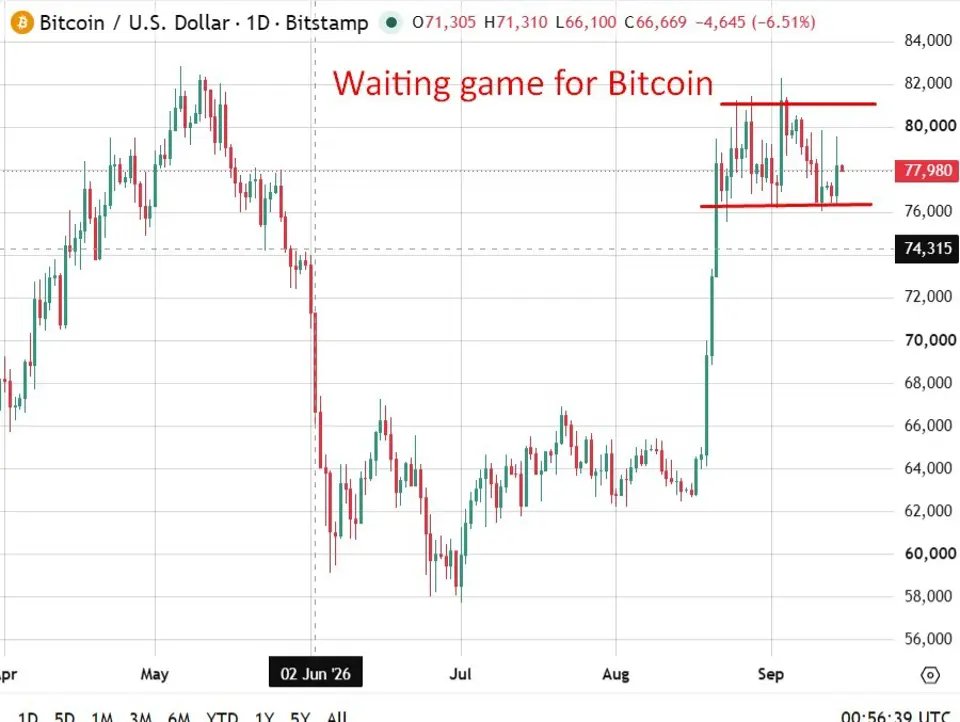
Price reaction is likely to hinge on whether Tuesday’s vote is read as a step toward passage or another sign of gridlock. Bitcoin and Ether have both swung sharply on Clarity Act headlines through 2026, rallying when ethics-provision breakthroughs were reported and selling off when the bill’s odds slipped, with liquidations running into the hundreds of millions of dollars on the sharper moves. Ether has since climbed back above $2,500 in September, a level that leaves it more sensitive to disappointment than earlier in the year, when it traded closer to $1,900. A clean advance on the procedural motion would likely be read as constructive for both assets, while a stalled or failed vote would risk reviving the kind of selloff seen during earlier setbacks in the bill’s progress.
