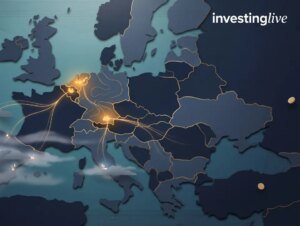
The energy crunch in Europe has been a key story since the Russia-Ukraine conflict and there were major worries in the past few months over how things are going to play out during the winter. The good news is that milder weather has helped with the situation, meaning fewer households have been cranking up the heat this December.
The data from Gas Infrastructure Europe showed Germany’s gas storage to be at 88.2% full as of Tuesday, up some 1% from the week before.
Of note, gas demand in Germany fell to a six-week low over the Christmas weekend – clocking in at just 2.2 TWh/day according to THE.
As for why this is relevant, it is because Germany is Europe’s biggest consumer of gas and as storage levels are able to keep sufficiently high, it means a reduced probability of shortages. In turn, that will also help reflect lower gas prices – which will be a welcome development for households in general.
For now, it is still early as gas consumption will continue to dwindle down the storage levels all the way through spring before being replenished in the autumn again.
/EUR
EUR
The euro (EUR) is the official currency of the European Union (EU) and 19 of 27 member states at the time of writing. It is the second most-traded currency worldwide in forex markets after the US dollar.The euro was originally introduced back on January 1, 1999, having replaced the European Currency Unit. Banknotes and physical euro coins subsequently entered circulation only in 2002.Upon its adoption, the euro replaced domestic currencies in participating EU member states. The rise in its value since then and importance in the global market has helped solidify its status as one of the most important currencies in the FX market today.Together with the USD, the currency pair is easily among the most important for forex, given its exposure into the two main economic blocs. What Factors Affects the EUR?There are several factors that affect the euro. Like most currencies, monetary policy is the most influential, which in this case refers to the European Central Bank (ECB).The ECB is responsible for regulating the monetary policy, money supply, interest rates, and relative strength of the euro. Forex traders of the euro are routinely tuned into any decision or announcements from the ECB for this reason.With 19 sovereign member states, the euro is particularly vulnerable to political developments. Recent examples include Greece’s debt crisis and Brexit, among others, which can seriously impact the euro.Finally, economic data from the bloc or from key member states such as Germany, France, Spain, and others are also closely eyed. This includes retail sales, jobless claims, Gross Domestic Product (GDP), and others.
The euro (EUR) is the official currency of the European Union (EU) and 19 of 27 member states at the time of writing. It is the second most-traded currency worldwide in forex markets after the US dollar.The euro was originally introduced back on January 1, 1999, having replaced the European Currency Unit. Banknotes and physical euro coins subsequently entered circulation only in 2002.Upon its adoption, the euro replaced domestic currencies in participating EU member states. The rise in its value since then and importance in the global market has helped solidify its status as one of the most important currencies in the FX market today.Together with the USD, the currency pair is easily among the most important for forex, given its exposure into the two main economic blocs. What Factors Affects the EUR?There are several factors that affect the euro. Like most currencies, monetary policy is the most influential, which in this case refers to the European Central Bank (ECB).The ECB is responsible for regulating the monetary policy, money supply, interest rates, and relative strength of the euro. Forex traders of the euro are routinely tuned into any decision or announcements from the ECB for this reason.With 19 sovereign member states, the euro is particularly vulnerable to political developments. Recent examples include Greece’s debt crisis and Brexit, among others, which can seriously impact the euro.Finally, economic data from the bloc or from key member states such as Germany, France, Spain, and others are also closely eyed. This includes retail sales, jobless claims, Gross Domestic Product (GDP), and others.
Read this Term
ADVERTISEMENT – CONTINUE READING BELOW