




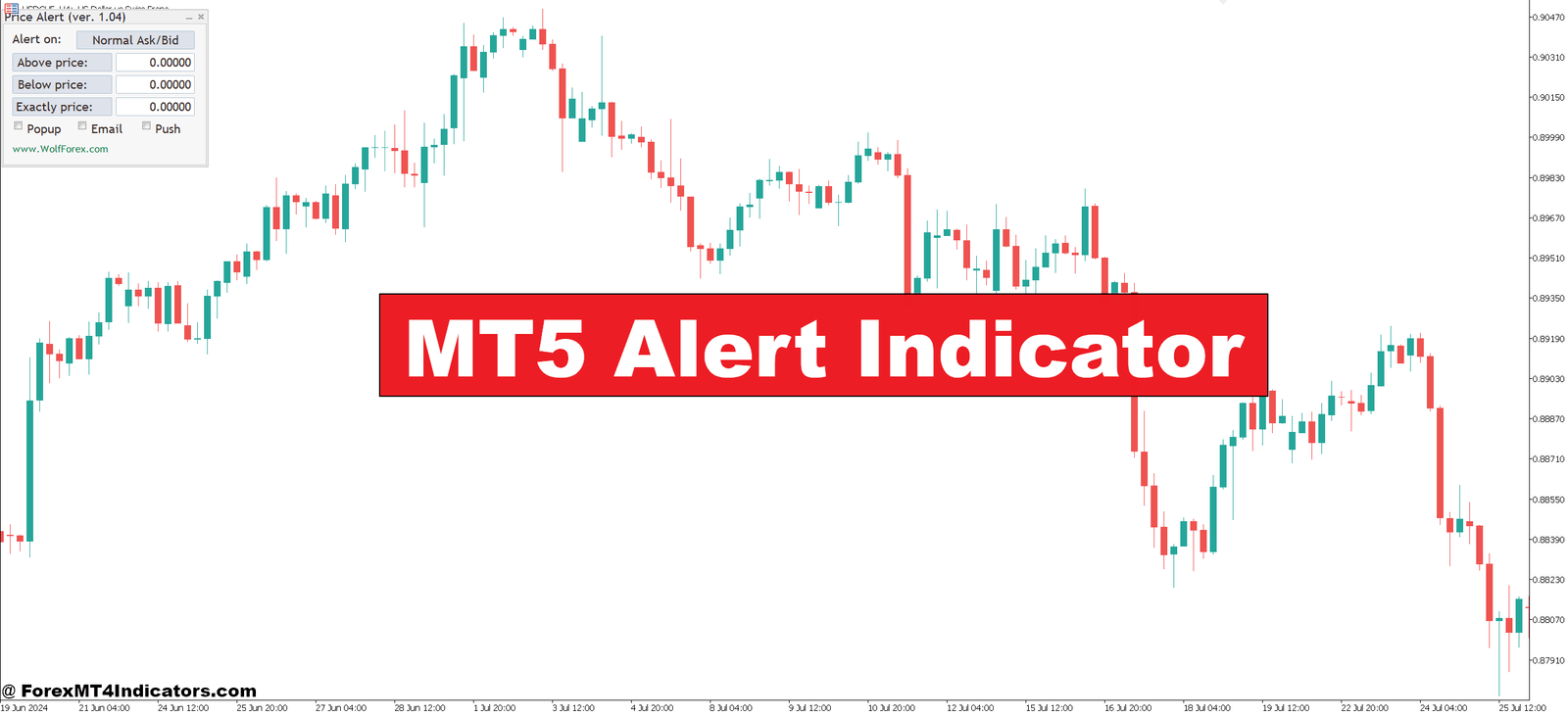
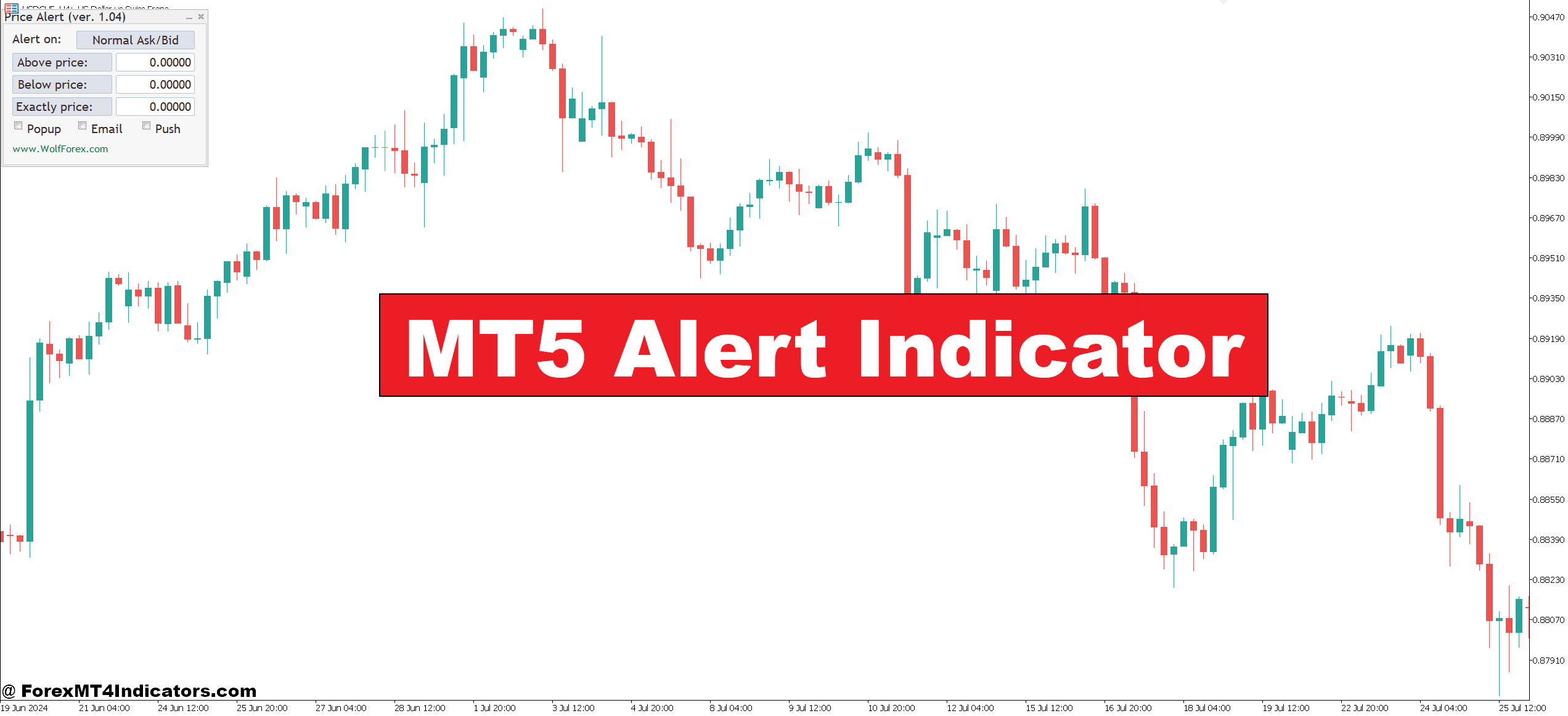
The MT5 Alert Indicator isn’t a single plug-and-play tool it’s a customizable notification framework built into MetaTrader 5. Traders can set alerts based on price levels, indicator values, or specific market conditions. Think of it as programming your trading platform to tap you on the shoulder when opportunities match your strategy.
What sets this apart from generic price alerts? The indicator component allows for complex conditions. A trader might set an alert for when RSI crosses below 30 while price touches a support zone. That’s two conditions working together, not just “notify me when EUR/USD hits 1.0800.”
The technical backbone involves comparing current market data against user-defined parameters every tick. When conditions are met, the system triggers notifications through pop-ups, emails, or push notifications to mobile devices. It’s straightforward code execution, but the flexibility makes it powerful.
Setting Up Alerts That Actually Matter
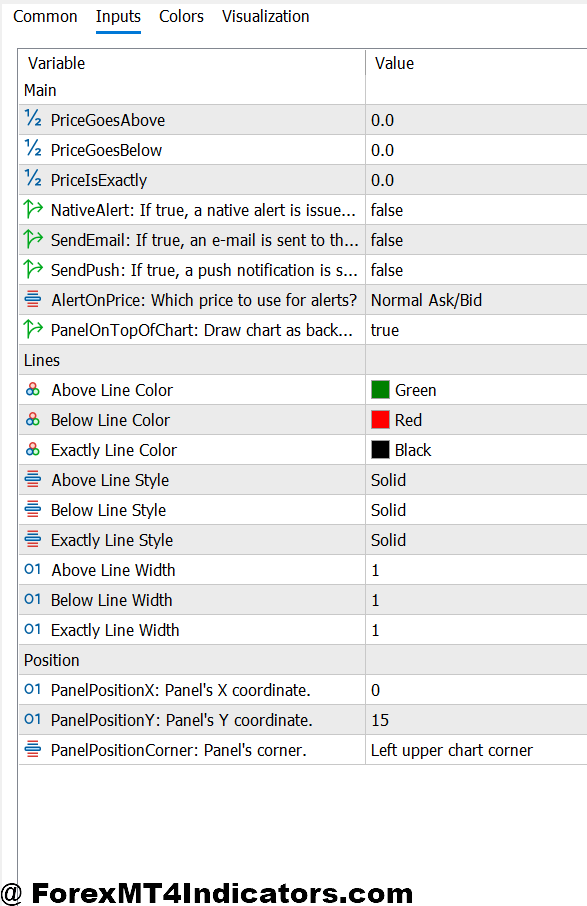
Configuration starts with identifying what deserves attention. Random price levels create notification fatigue. Smart traders focus on confluence zones areas where multiple technical factors align.
Here’s a real scenario: A swing trader watches GBP/JPY on the 4-hour chart. Price approaches 185.50, which held as support three times over the past month. But instead of setting a simple price alert, the trader creates a condition: notify when price hits 185.50 AND the stochastic oscillator shows oversold readings below 20. This filters out noise. Price might touch that level multiple times, but the alert only fires when both conditions exist.
The setup process involves accessing the platform’s alert menu (Ctrl+T opens the Toolbox, then navigate to Alerts tab). From there, traders specify:
- Symbol: The currency pair or instrument
- Condition: Bid or Ask price, greater/less than, or crossing a value
- Price Level: The exact trigger point
- Expiration: How long the alert remains active
- Action: Pop-up, email, sound, or mobile notification
For indicator-based alerts, traders need to code or use custom MT5 indicators that include alert functions. This requires basic MQL5 knowledge or finding pre-built indicators with alert capabilities.
Real-World Applications Across Trading Styles
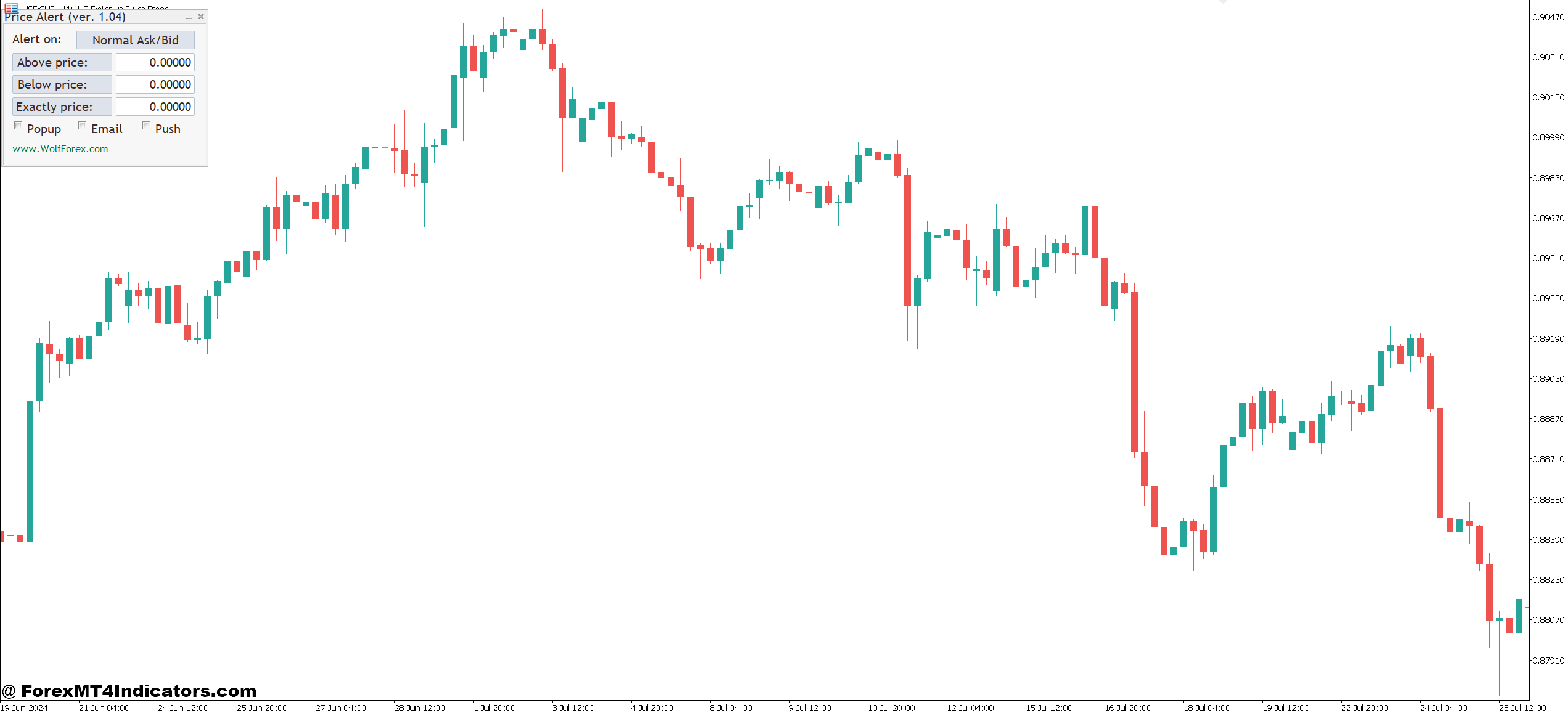
Day traders use alerts differently than position traders. A scalper monitoring USD/JPY on the 5-minute chart might set alerts for when price crosses key Fibonacci retracement levels during the London session. These alerts keep them aware without requiring constant screen time during slower periods.
Breakout traders benefit significantly. Consider someone trading the Asian range breakout strategy on AUD/USD. They identify the high and low from the Tokyo session (typically 00:00-09:00 GMT), then set alerts 2-3 pips beyond each boundary. When New York traders enter, if momentum breaks either level, the alert fires. This catches breakouts early without babysitting charts for nine hours.
News traders face a different challenge. A trader aware that NFP releases at 8:30 AM EST can set alerts for rapid price movements on EUR/USD, GBP/USD, and USD/JPY simultaneously. If any pair moves 20 pips in one minute, the alert triggers. This works because the indicator can monitor multiple instruments something impossible for human eyes in real-time.
One limitation surfaces quickly: alerts don’t execute trades. They notify. The trader still needs to assess context, confirm the setup holds, and place orders manually. A price level alert firing doesn’t mean conditions are perfect; it means something worth checking is happening.
Customization for Different Market Conditions
Alert parameters need adjusting based on volatility. The same alert sensitivity that works during London-New York overlap creates false triggers during Asian sessions when ranges compress. Smart traders modify settings seasonally.
During summer months when trading volume drops, a EUR/USD trader might widen alert parameters from 15 pips to 25 pips around key levels to avoid noise from thin liquidity. Come September when volume returns, they tighten those parameters back down.
Timeframe matters too. A daily chart trader setting alerts for weekly pivot points doesn’t need minute-by-minute notifications. They might check alerts once per session. Conversely, a 15-minute chart trader needs immediate notifications because opportunities decay fast.
The mobile notification feature proves invaluable for part-time traders. Someone with a day job can monitor longer timeframes, receiving alerts when 4-hour or daily setups develop. They’re not glued to screens but stay informed about meaningful moves.
Advantages and Honest Limitation

The primary advantage is attention management. Instead of spreading focus thin across eight pairs and three timeframes, a trader monitors alerts and responds to genuine opportunities. This reduces mental fatigue and improves decision quality when trades appear.
Alerts also create consistency. When a strategy requires specific conditions, alerts enforce discipline by flagging only those exact scenarios. Human traders get bored, distracted, or tired. The indicator doesn’t.
That said, alerts can’t assess context. If an alert fires because EUR/USD hit 1.0800, the indicator doesn’t know whether overall market sentiment supports that setup. Major news just broke? Correlation with other pairs shifted? These factors require human judgment.
Another drawback: over-reliance. New traders sometimes set dozens of alerts, creating constant interruptions that defeat the purpose. The goal is filtering noise, not creating more of it. Five well-chosen alerts outperform fifty random ones.
False signals happen too, especially with indicator-based alerts. An RSI oversold alert might fire during a strong downtrend where “oversold” means nothing price just keeps falling. Alerts show conditions exist; they don’t predict outcomes.
Comparing Alert Methods
Built-in MT5 alerts work for price levels but lack sophistication for complex strategies. Third-party custom indicators with alert functions offer more flexibility. These might combine volume analysis, candlestick patterns, and trend filters before triggering notifications.
Some traders prefer external alert services that monitor charts via APIs and send notifications through Telegram or Discord. These tools allow sharing alert setups between trading groups, though quality varies wildly.
The advantage of native MT5 alerts? They’re free, reliable, and work offline. Third-party solutions might offer prettier interfaces but introduce dependencies servers go down, subscriptions expire, bugs appear. For core trading alerts, simpler often beats fancier.
Making Alerts Work for Your Strategy
The real skill is choosing what to monitor. Every trader’s alert setup looks different because strategies differ. A mean-reversion trader alerts on extreme indicator readings. A trend follower alerts on breakouts of consolidation patterns. There’s no universal configuration.
Start with one or two alerts maximum. Test them over a few weeks. Do they catch genuine opportunities or create noise? Adjust parameters based on results, not theory. A trader might assume alerts 10 pips beyond support work great, then discover through testing that 5 pips captures moves earlier without many more false triggers.
Recommended MT4/MT5 Broker
XM Broker
- Free $50 To Start Trading Instantly! (Withdraw-able Profit)
- Deposit Bonus up to $5,000
- Unlimited Loyalty Program
- Award Winning Forex Broker
- Additional Exclusive Bonuses Throughout The Year
- Exclusive 90% VIP Cash Rebates for all Trades!


Already an XM client but missing out on cashback? Open New Real Account and Enter this Partner Code: VIP90
(Free MT4 Indicators Download)