







National Australia Bank now expects the RBA to hike again in June to 4.60%, arguing the central bank faces a compounding inflation shock it cannot afford to let run, with cuts pencilled in for H2 2027.
Earlier:
Summary:
- NAB revised its RBA call to a June hike, taking the cash rate to 4.60%, citing compounding inflation pressures from domestic capacity constraints and the Middle East conflict, according to the bank’s RBA Watch note
- The RBA Monetary Policy Board voted 8-1 to raise the cash rate to 4.35% at its May meeting, with the decision reflecting a clear preference to prioritise price stability, per NAB’s analysis
- NAB’s March Business Survey recorded the largest single-month rise in purchase costs in the survey’s nearly thirty-year history, with businesses reporting they have no alternative but to pass costs on to final prices, according to the note
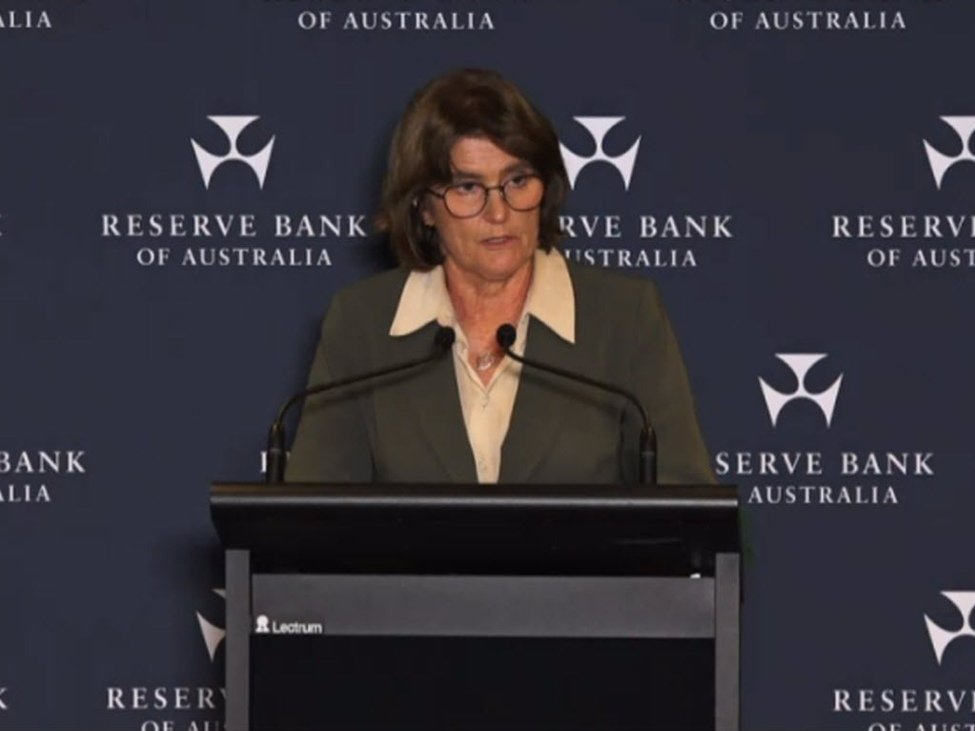
- Governor Bullock explicitly rejected the characterisation of the board’s approach as “wait and watch” at her press conference, a signal NAB interpreted as indicating the board does not believe it has time on its side, per the note
- The RBA’s inflation forecasts rest on an oil price assumption of USD82 per barrel by year-end and imply a terminal cash rate closer to 4.7% than 4.4%, which NAB viewed as incompatible with a cash rate of just 4.35%, according to the bank
- NAB continues to forecast two rate cuts in the second half of 2027 as the RBA begins to normalise policy, with the unemployment rate expected to drift higher and growth to slow, per the note
National Australia Bank has broken from the emerging consensus among its peers to forecast a further interest rate rise at the Reserve Bank of Australia’s June meeting, arguing that the central bank faces a compounding inflation challenge it cannot afford to let run, even after delivering 75 basis points of tightening in three months.
NAB now expects the RBA to lift the cash rate to 4.60% in June, a call that puts it at direct odds with ING and Commonwealth Bank, both of which have argued the May hike marked the beginning of a pause. The difference in view comes down to how quickly and how broadly the Middle East conflict’s second-round price effects are expected to flow through the Australian economy.
The bank argued the RBA is simultaneously managing two distinct inflation problems. The first pre-dates the conflict: domestically generated capacity pressures that were already pushing inflation above target heading into 2026. The second is the additional shock from higher oil and commodity prices stemming from the Strait of Hormuz closure and the broader regional conflict, carrying with it the risk of rapid and broad second-round pass-through into consumer prices. Critically, NAB said both business and household inflation expectations are now rising, a development that typically increases urgency for central banks.
The bank’s own data sharpened that argument. The NAB Business Survey for March showed the measure of purchase costs rising by the most in a single month in the survey’s nearly thirty-year history, with anecdotal evidence from business customers confirming that the magnitude of input cost increases is leaving firms with no practical alternative to passing those costs on.
The signal that most convinced NAB a June move was coming was Governor Michele Bullock’s explicit rejection of the “wait and watch” framing at her post-meeting press conference. For NAB, that language indicated the board does not believe it has the luxury of waiting for the quarterly inflation print, due in late July, before acting again.
NAB also questioned whether 4.35% would prove sufficient to return inflation to target. The RBA’s own Statement on Monetary Policy notes upside risks to both inflation and inflation expectations, while the forecasts embed an oil price assumption of USD82 per barrel by year-end and a terminal cash rate closer to 4.7% than 4.4%. On NAB’s core inflation projections, a terminal rate of 4.60% would leave the real cash rate around 1% by year-end and approaching 1.5% by mid-2027, levels the bank characterised as genuinely restrictive by historical standards.
Looking further out, NAB retained its forecast for two cash rate cuts in the second half of 2027, as slowing growth, a rising unemployment rate and the lagged effects of tightening eventually create the conditions for the RBA to begin normalising policy.
–
RBA meet June 15 and 16
–
NAB’s June hike call puts it at odds with peers including ING and CBA, who favour a pause, and that divergence will itself become a market story as investors attempt to price the probability of consecutive tightening moves. The bank’s observation that the NAB Business Survey recorded its largest single-month rise in purchase costs in nearly thirty years is a hard data point that will be difficult for the RBA to dismiss, and could shift market pricing toward a June move if corroborated by other indicators in the coming weeks. The oil price assumption embedded in the RBA’s own forecasts, pegged at USD82 per barrel by year-end, remains a key vulnerability: any sustained break above that level would simultaneously validate NAB’s more hawkish stance and increase the probability of further tightening beyond June, weighing on rate-sensitive equities and putting a floor under the Australian dollar.


