







Projectile hits near Iran’s Bushehr nuclear plant, raising risks without immediate damage.
Summary:
-
IAEA says a projectile struck the Bushehr nuclear power plant site
-
No damage to the facility and no injuries reported
-
Strike occurred near, not within, critical nuclear infrastructure
-
Bushehr is Iran’s only operational nuclear power plant
-
Incident highlights rising risk to nuclear facilities amid conflict
-
Adds to geopolitical risk premium despite no immediate escalation
A projectile struck the premises of Iran’s Bushehr nuclear power plant on Tuesday evening, according to the International Atomic Energy Agency (IAEA), marking a concerning escalation in the proximity of military activity to critical nuclear infrastructure. Iranian authorities informed the agency of the incident, which reportedly caused no damage to the facility and resulted in no injuries to staff.
Initial assessments indicate that the strike occurred in an area adjacent to the plant rather than directly impacting core nuclear operations. Radiation levels remain normal, and the IAEA has confirmed there is no immediate safety risk. However, the event underscores the growing dangers posed by the ongoing conflict in the Middle East, where infrastructure, including energy and transport, has increasingly come under threat.
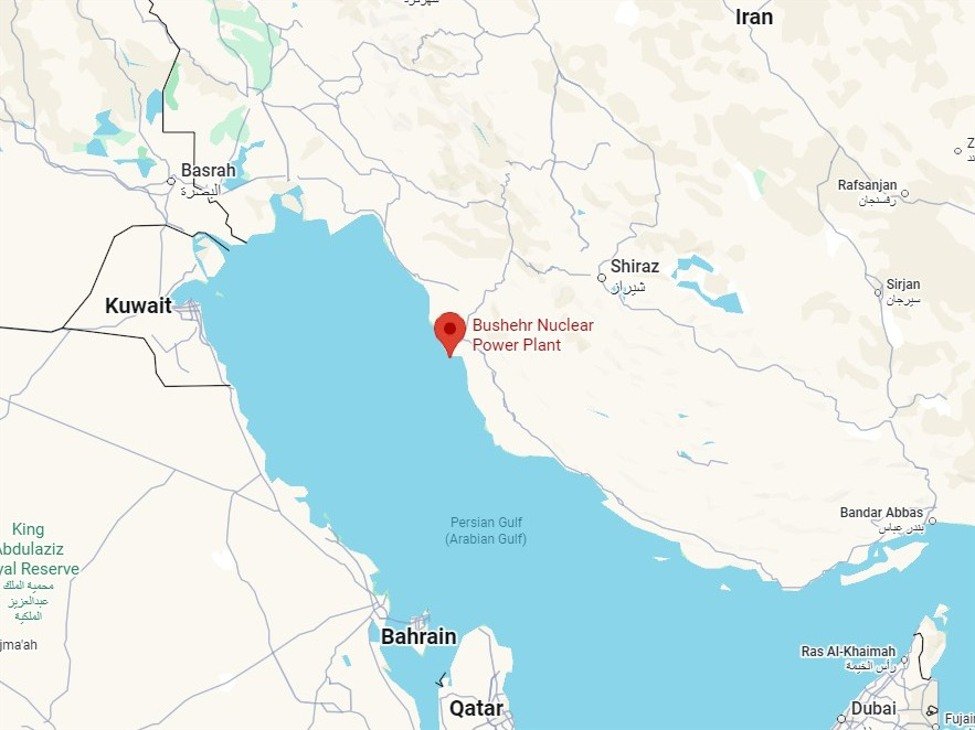
The Bushehr facility holds particular strategic importance. Located along Iran’s southern coast on the Persian Gulf, approximately 17 km southeast of the city of Bushehr, it is the country’s only operational nuclear power plant and generates around 1,000 megawatts of electricity. Constructed with Russian assistance after initial work began in the 1970s, the plant is a key component of Iran’s civilian nuclear energy programme and is monitored under international oversight.
The plant’s coastal location adds to its geopolitical sensitivity. Situated near the Persian Gulf and not far from the Strait of Hormuz, a critical chokepoint for global oil flows, any incident involving Bushehr carries implications far beyond Iran’s domestic energy supply.
In the current environment, the incident is significant less for its immediate physical impact and more for what it signals. The Middle East conflict has already disrupted oil production, shipping routes, and energy infrastructure. A strike involving a nuclear facility, even without damage, raises the stakes considerably, increasing the risk of miscalculation or unintended escalation.
From a market perspective, the development reinforces the geopolitical risk premium embedded in energy prices. While the absence of damage limits immediate fallout, the proximity of military action to nuclear infrastructure is likely to heighten investor sensitivity to further escalation scenarios.
Ultimately, the Bushehr incident serves as a reminder of how quickly risks can evolve in the current environment. Even near-misses involving nuclear assets can shift sentiment, particularly when markets are already navigating tight energy supply and elevated geopolitical uncertainty.


