


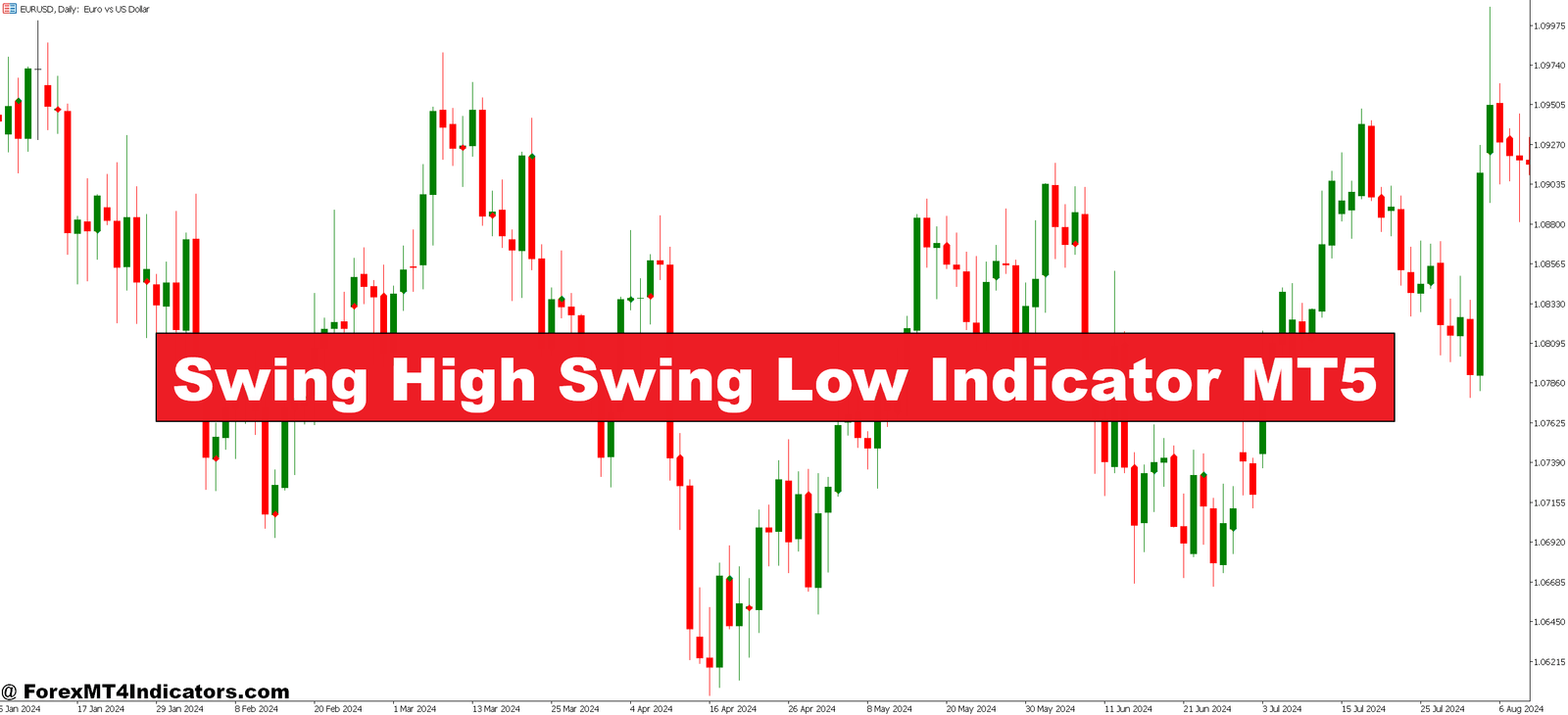
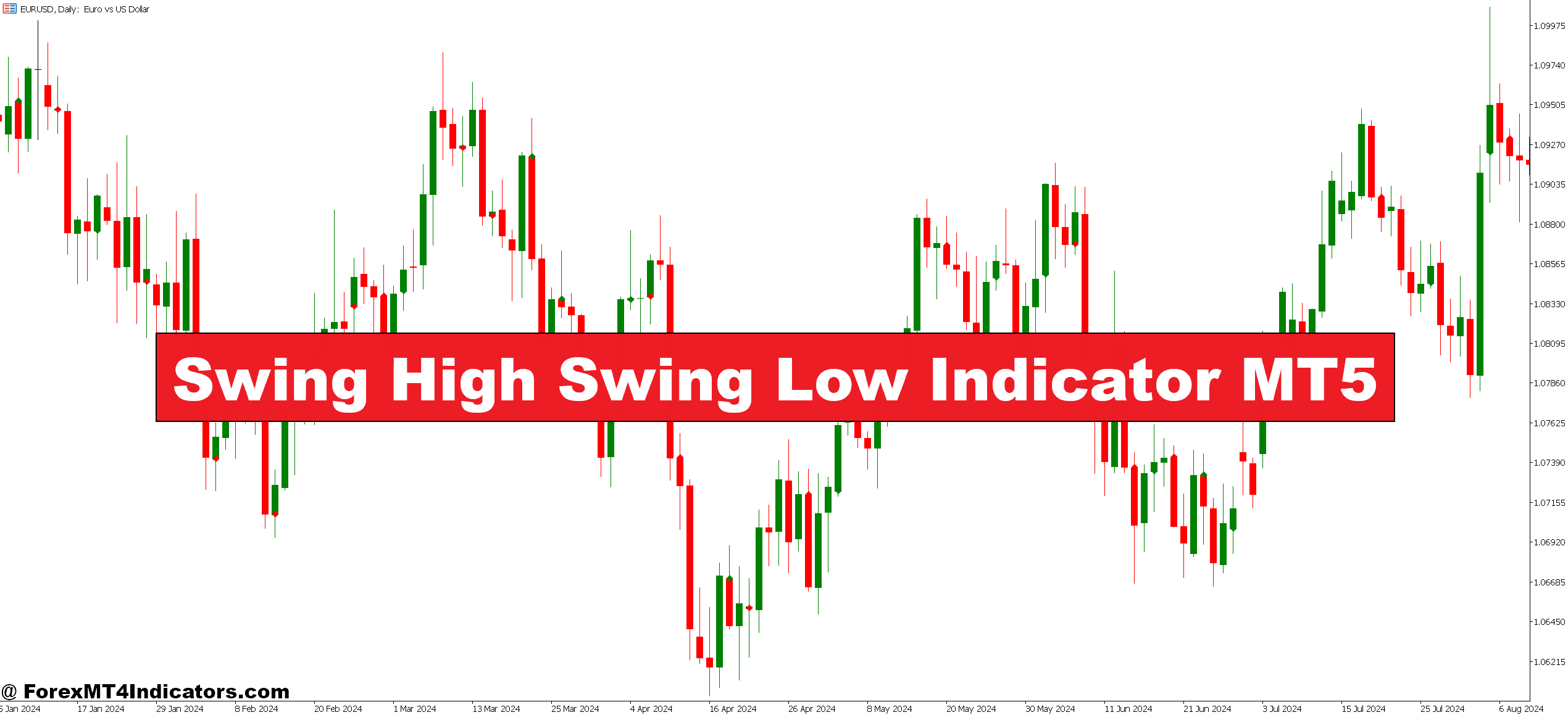
The Swing High Swing Low Indicator works by scanning a specific number of bars to the left and right of a potential pivot point. When price forms a high that’s higher than a set number of bars on both sides, it marks a swing high. The same logic applies in reverse for swing lows—the indicator flags a low that’s lower than surrounding bars on both sides.
Here’s where it gets practical. Most versions use a default setting of 5 bars on each side, meaning the indicator needs 5 bars to the left and 5 to the right to confirm a swing point. This 10-bar window (5+5) creates a buffer that eliminates minor fluctuations while capturing significant pivots. You can adjust this parameter based on your trading style—day traders might use 3-3 for faster signals, while swing traders might prefer 7-7 or even 10-10 for more substantial moves.
The calculation itself is straightforward, which is part of its reliability. The indicator doesn’t use complex formulas or lagging moving averages. It’s pure price action analysis, identifying points where momentum actually shifted. When you see a swing high marker appear above a candlestick, you know that price failed to break higher for at least the specified number of bars on both sides.
Real-World Trading Applications
I tested this on GBP/USD during the London session last month, and the results showed why swing points matter so much. The pair was ranging between 1.2650 and 1.2720, making choppy moves that would’ve triggered false breakouts on typical indicators. But the Swing High Swing Low Indicator marked only four significant pivots during that three-hour window—two highs near 1.2720 and two lows near 1.2655.
Those four points told the whole story. The range was clear, and when price finally broke above the second swing high with strong momentum, it was an obvious long entry. The swing low from earlier in the session provided a logical stop loss placement, and the risk-to-reward setup was clean.
Here’s another scenario. On USD/JPY’s 4-hour chart, the indicator marked a series of lower swing highs during a downtrend. Each new swing high appeared lower than the previous one, confirming bearish market structure. Traders who shorted near these swing highs, with stops just above them, caught multiple profitable moves. That’s the power of trading with structure instead of against it.
The indicator also shines for identifying trend exhaustion. When you see swing highs forming closer together with decreasing momentum, or swing lows that fail to make new lows, it signals potential reversals. I noticed this on EUR/GBP last week—three consecutive swing lows that barely broke below each other, followed by a sharp rally. The compression was visible because the indicator marked each pivot clearly.
Customizing Parameters for Different Markets
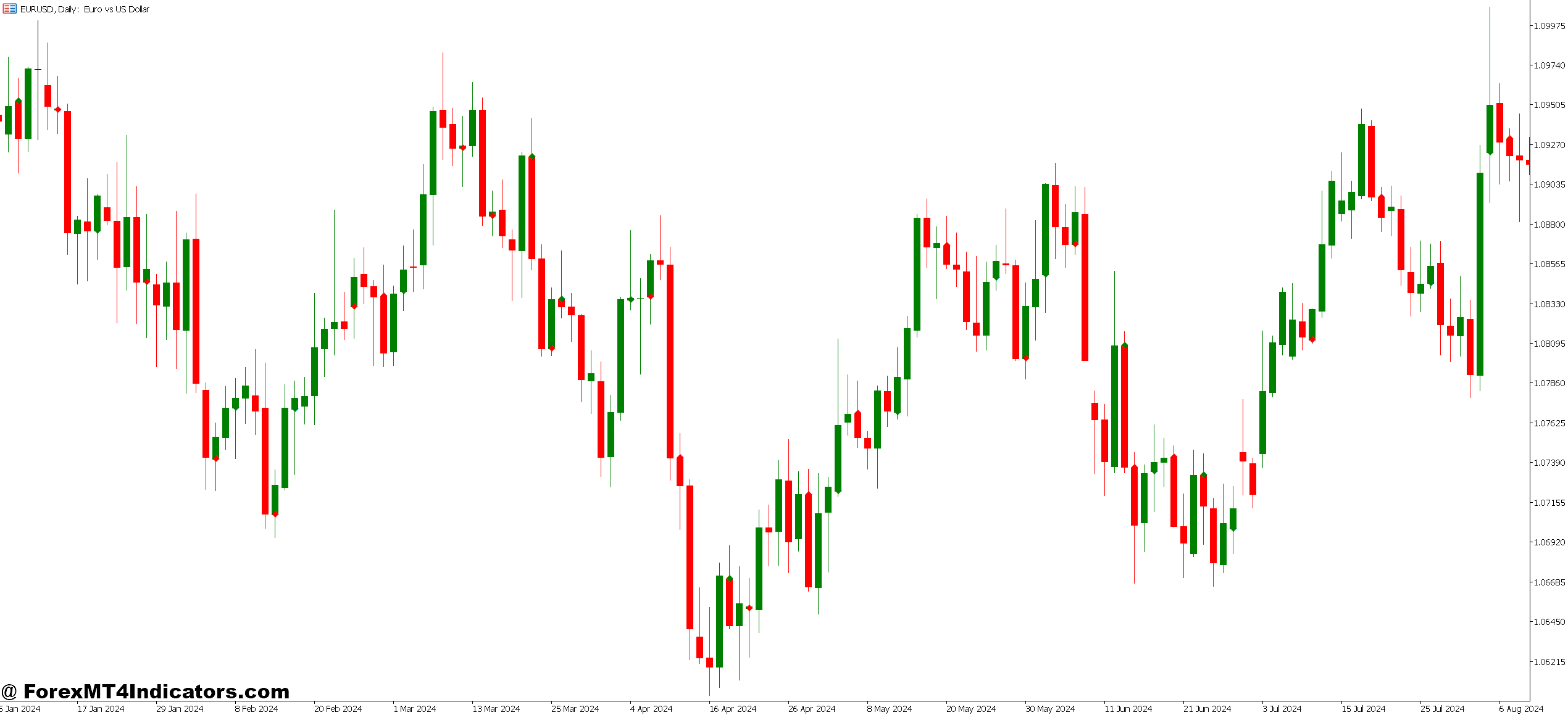
The lookback period is your main adjustment point, and it dramatically changes the indicator’s behavior. Setting it to 3 bars on each side gives you more swing points, which works well on 5-minute or 15-minute charts where you need quicker feedback. But expect more noise—you’ll get pivot marks that might not hold significance.
Bump it up to 10 or 15 bars on each side, and you’re filtering for major structural points. This setting suits daily or weekly charts where you want to identify long-term support and resistance zones. I use this configuration when analyzing major currency pairs like EUR/USD or USD/JPY for position trades. The swing points appear less frequently, but when they do, they carry more weight.
Some versions of the indicator include offset options that determine where the marker appears relative to the swing point. A zero offset places the marker directly on the pivot bar, while a negative offset can show you the swing point before all confirmation bars have formed. That’s risky, though—you might see a “swing high” marker that gets invalidated if price makes a higher high in the next few bars.
Color and size adjustments might seem cosmetic, but they matter for chart readability. If you’re running multiple indicators, using distinct colors for swing highs (typically red or orange) and swing lows (green or blue) prevents visual clutter.
Advantages and Honest Limitations

The indicator’s biggest strength is objectivity. It removes the guesswork from identifying pivots. You’re not drawing support and resistance lines based on gut feeling—the indicator shows you where momentum actually reversed based on price structure. This consistency helps newer traders develop an eye for market structure without years of chart time.
It’s also universal. The same swing point that appears on your EUR/USD chart has meaning for another trader on the other side of the world. Compare this to something like RSI or MACD, where settings and interpretations vary wildly. Swing points are swing points—there’s no ambiguity about what they represent.
But here’s the catch: the indicator is always delayed. By design, it needs confirmation bars before marking a pivot, which means you’ll never catch the exact swing high or low in real-time. That’s not a flaw—it’s a feature that prevents false signals—but it does mean your entries will never be at the absolute peak or trough.
The indicator also struggles in ranging, choppy markets where price whipsaws without clear direction. You’ll get swing points marked all over the place, but none of them define tradeable structure because there is no structure. During major news events like NFP or FOMC announcements, the indicator can light up your chart with pivots that have no predictive value.
And here’s something traders often miss: swing points alone don’t tell you direction. They show you where price reversed, but not where it’s going next. You need additional confirmation—trendlines, support/resistance, moving averages, or candlestick patterns—to make trading decisions.
How It Compares to Zigzag and Fractals
The Zigzag indicator seems similar since it also identifies swing points, but the approach differs significantly. Zigzag repaints—it redraws its lines as new price data comes in, which makes it useless for real-time trading decisions. The Swing High Swing Low Indicator doesn’t repaint once a pivot is confirmed. What you see is what you get.
Fractals, popularized by Bill Williams, mark five-bar patterns where the middle bar has the highest high or lowest low. The Swing High Swing Low Indicator is more flexible since you control the lookback period. A fractal is essentially a Swing High Swing Low indicator locked at 2-2 bars, which might be too sensitive for some strategies.
Support and resistance indicators draw horizontal lines at price levels, but they don’t adapt to changing market structure. Swing points move with the market, showing you the current terrain rather than historical levels. That said, when swing highs or lows cluster around the same price level, they confirm strong support or resistance zones.
How to Trade with Swing High Swing Low Indicator MT5
Buy Entry

- Wait for price to break above the most recent swing high – Enter long when price closes at least 5-10 pips above the marked swing high on EUR/USD 1-hour chart, confirming the breakout with increased volume or a strong bullish candle.
- Identify higher swing lows forming – Look for at least two consecutive swing lows where each one is higher than the previous, indicating bullish market structure on GBP/USD 4-hour timeframe before taking buy entries.
- Place stop loss 10-15 pips below the last swing low – Use the most recent confirmed swing low as your stop placement, giving enough room for normal price fluctuation while protecting capital if structure breaks.
- Enter on pullbacks to previous swing highs – After price breaks higher, wait for a retest of the old swing high (now support) on the daily chart, then buy when price bounces with a 1:2 minimum risk-reward ratio.
- Confirm with trend alignment – Only take buy signals when at least three swing highs are progressively higher on the 4-hour chart, avoiding counter-trend trades that have lower probability of success.
- Avoid buying during Asian session chop – Skip buy signals between 00:00-06:00 GMT on pairs like EUR/USD when liquidity is thin and swing points often get violated without meaningful follow-through.
- Scale in at multiple swing lows – Enter 50% position at first swing low break, add remaining 50% if price makes a higher swing low, reducing average entry risk on USD/JPY daily charts.
- Exit if new swing high fails to form within 20-30 bars – Close your buy position if momentum stalls and price doesn’t create a new swing high after breaking the previous one, indicating potential trend exhaustion.
Sell Entry

- Enter short when price breaks below confirmed swing low – Sell when price closes 5-10 pips below the marked swing low on GBP/USD 1-hour chart with a strong bearish candle, confirming downside momentum.
- Identify lower swing highs developing – Watch for at least two consecutive swing highs where each is lower than the last on EUR/USD 4-hour timeframe, confirming bearish structure before entering shorts.
- Set stop loss 10-15 pips above the recent swing high – Place your stop just above the last confirmed swing high, protecting your position if bearish structure breaks and bulls regain control.
- Sell on rallies to broken swing lows – After price breaks down, wait for a pullback to test the old swing low (now resistance) on the daily chart, then short when price rejects with bearish confirmation.
- Confirm downtrend with descending swing highs – Only take sell signals when you see three or more progressively lower swing highs on the 4-hour chart, avoiding low-probability counter-trend shorts.
- Skip sell signals during Friday afternoon – Avoid entering short positions after 12:00 GMT Friday on major pairs as weekend gaps and low volume often invalidate technical swing point signals.
- Scale positions at resistance clusters – Enter 50% short at first swing high break, add remaining position if price forms a lower swing high, improving your average entry on USD/CHF weekly charts.
- Exit if price consolidates without new swing low – Close short positions if price fails to make a new swing low within 20-30 bars after breaking previous support, signaling potential bottoming pattern formation.
Key Takeaways for Practical Use
The Swing High Swing Low Indicator MT5 gives traders an objective way to identify where momentum shifted, which is fundamental to reading price action. It works best when you adjust the lookback period to match your timeframe—tighter settings for intraday charts, wider settings for longer-term analysis. The indicator’s value comes from showing market structure clearly, helping you place stops logically and identify trend continuation or reversal patterns.
That said, it’s a tool, not a system. Swing points need context from support and resistance, trend direction, or other technical factors before they become actionable trade signals. The delayed confirmation by design means you won’t catch exact tops and bottoms, but you will avoid many false signals that plague real-time pivot detection methods.
Trading forex carries substantial risk, and no indicator guarantees profits. The Swing High Swing Low Indicator can improve your market structure analysis, but success still depends on proper risk management, trading psychology, and how you integrate these signals into a broader strategy. Test it on demo accounts with different settings before risking real capital, and remember that even the clearest swing points can fail during unexpected market conditions.
Recommended MT4/MT5 Broker
XM Broker
- Free $50 To Start Trading Instantly! (Withdraw-able Profit)
- Deposit Bonus up to $5,000
- Unlimited Loyalty Program
- Award Winning Forex Broker
- Additional Exclusive Bonuses Throughout The Year
- Exclusive 90% VIP Cash Rebates for all Trades!


Already an XM client but missing out on cashback? Open New Real Account and Enter this Partner Code: VIP90
(Free MT4 Indicators Download)