Wednesday, March 25


China says it will add to reserves and output of energy and other resources.

In the next few years, Russian energy will be capital starved but China will be right there waiting. Last year, China outlined several long-term aspirations and they were mostly things you would expect like semi-conductors and belt & road initiatives but one stood out: energy extraction. It’s a small industry in China and there are few domestic reserves but now you can see why they want to develop some expertise, especially with strong Chinese ties to places in Africa that have untapped oil.

In any case, crude has turned around today with brent crude oil
Crude Oil

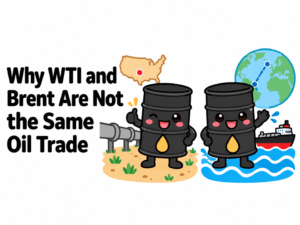
Crude oil is the most popular tradable instrument in the energy sector, offering exposure to global market conditions, geopolitical risk, and economics. The instrument is strategically relied upon and situated in the global economy. Crude oil has proven to be a unique option for traders given volatility and the efficacy of both swing trading and longer-term strategies. Despite its popularity, crude oil is a very complex investing instrument, given the litany of fluctuations in oil prices, risk, and impact of politics stemming from OPEC. Short for the Organization of the Petroleum Exporting Countries, OPEC operates as an intergovernmental organization of 13 countries, helping set and dictate the global oil market.How to Trade Crude Oil Crude oil is most commonly traded as an exchange-traded fund (ETF) or through other instruments with exposure to it. This includes energy stocks, the USD/CAD, and other investing options. Crude oil itself is traded across a duality of markets, including the West Texas Intermediate Crude (WTI) and Brent crude. Brent is the more relied upon index in recent years, while WTI is more heavily traded across futures trading at the time of writing. Other than geopolitical events or decisions by OPEC, crude oil can move due to a variety of different ways.  The most basic is through simple supply and demand, which is affected by global output. Increased industrial output, economic prosperity, and other factors all play a role in crude prices. By extension, recessions, lockdowns, or other stifling factors can also influence crude prices. For example, an oversupply or mitigated demand due to the aforementioned factors would result in lower crude prices. This is due to traders selling crude oil futures or other instruments.  Should demand rise or production plateau, traders will bid increasingly on crude, whereby driving prices up.

Crude oil is the most popular tradable instrument in the energy sector, offering exposure to global market conditions, geopolitical risk, and economics. The instrument is strategically relied upon and situated in the global economy. Crude oil has proven to be a unique option for traders given volatility and the efficacy of both swing trading and longer-term strategies. Despite its popularity, crude oil is a very complex investing instrument, given the litany of fluctuations in oil prices, risk, and impact of politics stemming from OPEC. Short for the Organization of the Petroleum Exporting Countries, OPEC operates as an intergovernmental organization of 13 countries, helping set and dictate the global oil market.How to Trade Crude Oil Crude oil is most commonly traded as an exchange-traded fund (ETF) or through other instruments with exposure to it. This includes energy stocks, the USD/CAD, and other investing options. Crude oil itself is traded across a duality of markets, including the West Texas Intermediate Crude (WTI) and Brent crude. Brent is the more relied upon index in recent years, while WTI is more heavily traded across futures trading at the time of writing. Other than geopolitical events or decisions by OPEC, crude oil can move due to a variety of different ways.  The most basic is through simple supply and demand, which is affected by global output. Increased industrial output, economic prosperity, and other factors all play a role in crude prices. By extension, recessions, lockdowns, or other stifling factors can also influence crude prices. For example, an oversupply or mitigated demand due to the aforementioned factors would result in lower crude prices. This is due to traders selling crude oil futures or other instruments.  Should demand rise or production plateau, traders will bid increasingly on crude, whereby driving prices up.
Read this Term
now up $1.

Separately, the EIA reports that US October crude output was 12.381 mbpd, up from 12.312 mbpd in September. Output estimates have been continually lowered throughout the year and the US will have a hard time hitting the 12.63 mbpd estimate set in July. For next year, estimates are also being lowered to below 13 mbpd.


Source link

Share.
FX

Leave A Reply