






Summary:
- Fed’s Barr warns energy shock could lift inflation expectations
- Concern that another price shock risks entrenching inflation
- Calls for patience before any further policy easing
- Labour market balanced but fragile due to weak hiring
- Flags concerns over financial system resilience amid regulatory changes
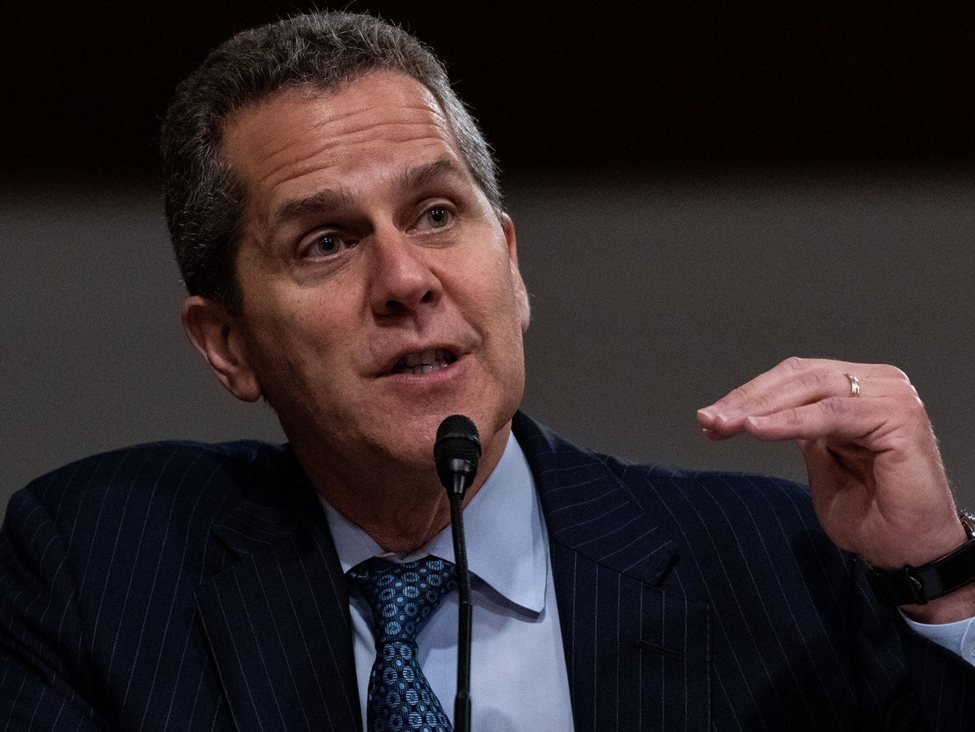
Federal Reserve Governor Michael Barr warned that rising energy prices linked to the Middle East conflict could trigger a renewed inflation shock, potentially lifting inflation expectations and complicating the central bank’s path back to its 2% target.
Speaking on Thursday, Barr said the U.S. economy has remained resilient through a series of recent shocks, but those same developments have made it more difficult for the Federal Reserve to fully restore price stability. He highlighted particular concern around the risk that another surge in energy costs could shift both short- and long-term inflation expectations higher, increasing the likelihood that inflation becomes more persistent.
Barr emphasised that the Fed must remain vigilant to this risk, noting that the longer inflation stays above target, the greater the chance it becomes embedded in wage- and price-setting behaviour across the economy. Such a shift would make inflation more difficult to bring down and could require a more prolonged period of restrictive policy.
The outlook remains highly dependent on geopolitical developments. Barr said that if the Middle East conflict is resolved quickly, the economic impact could be limited. However, a prolonged disruption, particularly one that sustains elevated oil and commodity prices, could have broader implications for both inflation and economic activity.
Against this backdrop, Barr signalled a cautious approach to monetary policy, arguing that it is appropriate for the Fed to take time to assess incoming data before making any further adjustments to interest rates. His comments align with a growing sentiment among policymakers that uncertainty remains elevated and that premature easing could risk reigniting inflation pressures.
On the labour market, Barr described conditions as broadly in balance, with employment and labour force growth aligned. However, he cautioned that subdued hiring levels leave the market vulnerable to adverse shocks, reinforcing the Fed’s need to proceed carefully.


